

Pakistan is rapidly moving toward digital transformation, and government departments are also adopting modern technology to improve public services. The demand for Digital Government Services in Pakistan 2026 is increasing because people now prefer fast and online solutions instead of visiting government offices physically.
In the past, citizens had to stand in long queues for services such as driving license verification, passport applications, tax payments, and identity verification. Today, many of these services are available online.
The Government of Pakistan has launched multiple e-governance projects to improve transparency, reduce corruption, and provide better facilities to citizens. Digital systems are helping government institutions work more efficiently while saving time for the public.
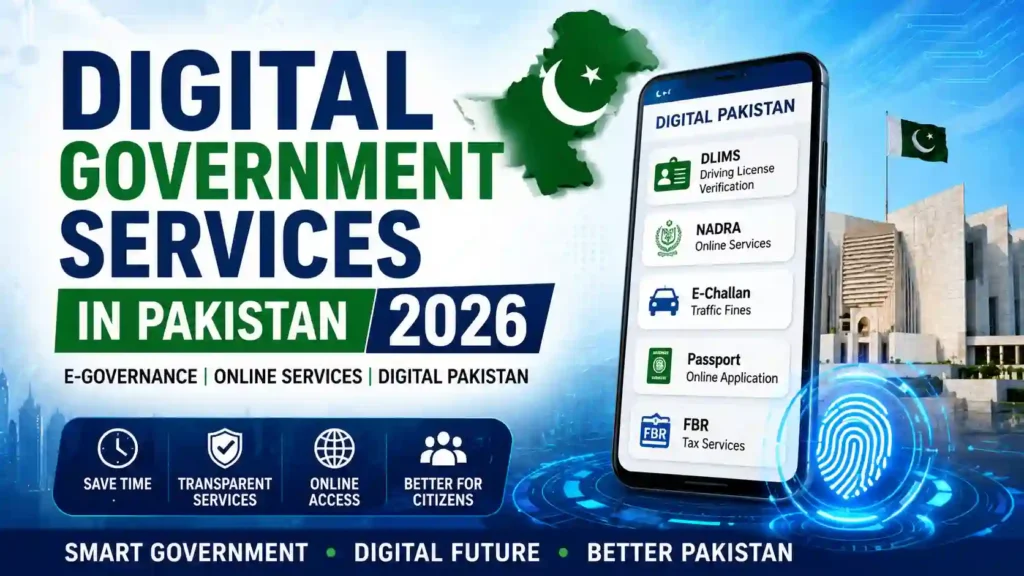
Departments such as NADRA, Excise, Passport Office, FBR, and Traffic Police are now using online platforms to provide digital services.
Growth of E-Governance in Pakistan
The concept of E-Governance in Pakistan has become stronger in recent years. Federal and provincial governments are investing in digital platforms and online portals to make government services accessible to everyone. This transformation is helping citizens complete official tasks without unnecessary delays.
Organizations such as the Punjab Information Technology Board (PITB) and National Information Technology Board (NITB) have introduced several modern digital projects.
Citizens can now verify documents, submit complaints, pay taxes, and check records online. These improvements are creating a more efficient government system in Pakistan.
The growth of e-governance is also improving transparency. Digital records reduce the chances of fraud and help government departments maintain accurate information. This shift toward technology is considered an important step for Pakistan’s future development.
Also read

Latest News: CM Punjab Honhaar Scholarship 2026 Opens – 50,000 New Scholarships, Apply by 9 November
Online Driving License Verification System
One of the most popular online services in Pakistan is the Driving License Verification Online Punjab system. Previously, people had to visit excise offices to verify their driving licenses, but now the process can be completed online within minutes.
The DLIMS Punjab system allows users to verify their driving license by entering their CNIC number or license number. This digital system helps reduce fake licenses and improves public safety. Employers and traffic authorities also use online verification systems to confirm driving records quickly.
Online driving license verification has become an important example of how digital technology can improve public service delivery. It saves time, increases transparency, and provides convenience to citizens across Punjab.
Also read
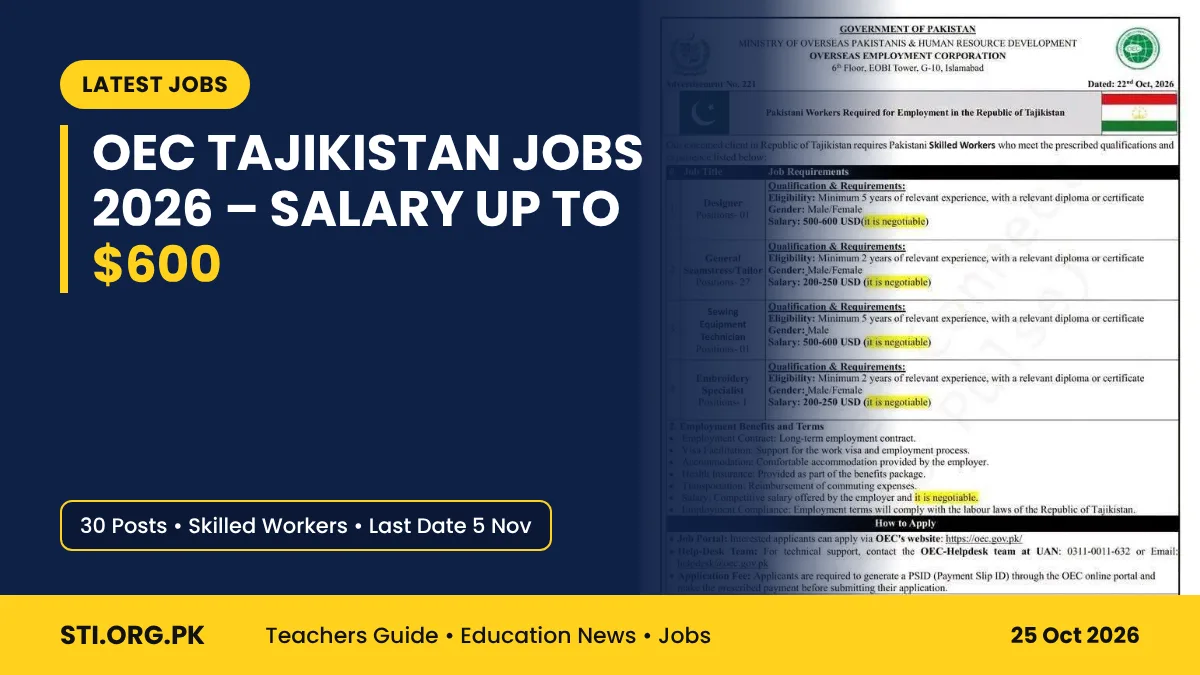
Latest Jobs: OEC Tajikistan Jobs 2026 for Pakistani Skilled Workers – 30 Posts, Salary Up to $600
NADRA Online Services
NADRA online services are another major achievement in Pakistan’s digital transformation journey. NADRA has modernized identity verification and family registration systems to provide easier access to citizens.
People can now book appointments online, track CNIC applications, and access several services through digital platforms. Overseas Pakistanis also benefit from these online facilities because they can complete many processes remotely.
Digital identity verification systems are helping banks, telecom companies, and government institutions verify records quickly and securely. NADRA’s online services are playing a major role in building trust in digital governance.
Also read

CTI Final Merit List 2026 Update – Check Your Name & Merit Position at cti-hep.punjab.gov.pk
E-Challan System in Pakistan
The E-Challan Pakistan system is another important digital innovation introduced in major cities. Safe City cameras monitor traffic violations and automatically issue challans to vehicle owners.
Citizens can check their challan details online and pay fines digitally through PSID numbers. This system reduces corruption, improves traffic law enforcement, and creates transparency in traffic management.
Online challan systems are also helping government authorities maintain accurate traffic records while improving revenue collection procedures.
Importance of Online Verification Systems
Today, online verification systems in Pakistan are becoming increasingly important in both public and private sectors. Educational certificates, driving licenses, tax records, and vehicle registrations can now be verified digitally.
This process reduces fraud and prevents the use of fake documents. Businesses and organizations also rely on online verification systems to verify employee records quickly and accurately.
As digital transformation continues, online verification services are expected to become even more advanced and widely used across Pakistan.
Benefits of Digital Government Services
Time Saving
Digital government systems help citizens save valuable time. People no longer need to visit offices repeatedly because most services are available online.
Transparency
Digital records improve transparency and reduce corruption. Citizens can track applications and verify information more easily.
Accessibility
Online services provide easier access to government facilities, especially for people living in remote areas.
Fast Verification
Digital databases allow instant verification of records. This feature is highly beneficial for businesses, government offices, and citizens.
Reduced Paperwork
Digital systems reduce paperwork and promote environmentally friendly processes.
Role of Technology in Public Service Delivery
Technology has completely changed the relationship between governments and citizens. Mobile applications, SMS alerts, and online portals make communication faster and easier.
Advanced technologies such as Artificial Intelligence, cloud computing, and biometric verification are expected to improve government services further in the coming years. These systems can automate tasks, reduce human errors, and increase efficiency.
Digital technology is also helping governments provide services more accurately and securely.
Challenges Faced by Digital Systems
Although Pakistan is making significant progress in digital governance, several challenges still exist.
Internet Access Issues
Many rural areas still face internet connectivity problems, limiting access to online services.
Lack of Digital Literacy
Some citizens are not familiar with digital platforms and online systems. Public awareness and training programs are necessary to solve this issue.
Cybersecurity Risks
Government databases must be protected from cyberattacks and hacking attempts. Strong cybersecurity systems are essential for secure digital governance.
Technical Problems
Sometimes users face server errors, slow portals, or temporary system failures that affect service delivery.
Future of Digital Government Services in Pakistan
Experts believe that Digital Government Services in Pakistan 2026 will continue to improve with modern technologies. Artificial Intelligence, smart city projects, and automated verification systems will make public services more efficient and secure.
Future developments may include:
- AI-based verification systems
- Unified government portals
- Mobile-based citizen services
- Digital wallets for government payments
- Smart traffic management systems
- Fully automated online applications
If Pakistan continues investing in technology and digital infrastructure, it can become one of the leading countries in digital governance in South Asia.
Importance of Digital Awareness
Public awareness is essential for the success of digital governance. Citizens should understand how to use online portals, digital payment methods, and verification systems safely.
Educational institutions and training organizations can help improve digital literacy by teaching modern technology skills. Government employees also need proper IT training to manage online systems effectively.
Digital awareness will help more people benefit from modern government services in the future.
Conclusion About Digital Government Services 2026
Pakistan is rapidly moving toward digital governance, and Digital Government Services in Pakistan 2026 are improving convenience for millions of citizens. Services such as online driving license verification, e-challan systems, NADRA portals, and DLIMS Punjab are making government processes faster and more transparent.
The main goal of digital transformation is to provide efficient, corruption-free, and citizen-friendly services. If the government continues focusing on internet accessibility, cybersecurity, and digital education, Pakistan can achieve major success in e-governance in the coming years.
Modern technology has made communication between the government and citizens easier than ever before, and this trend is expected to grow even further in the future.