

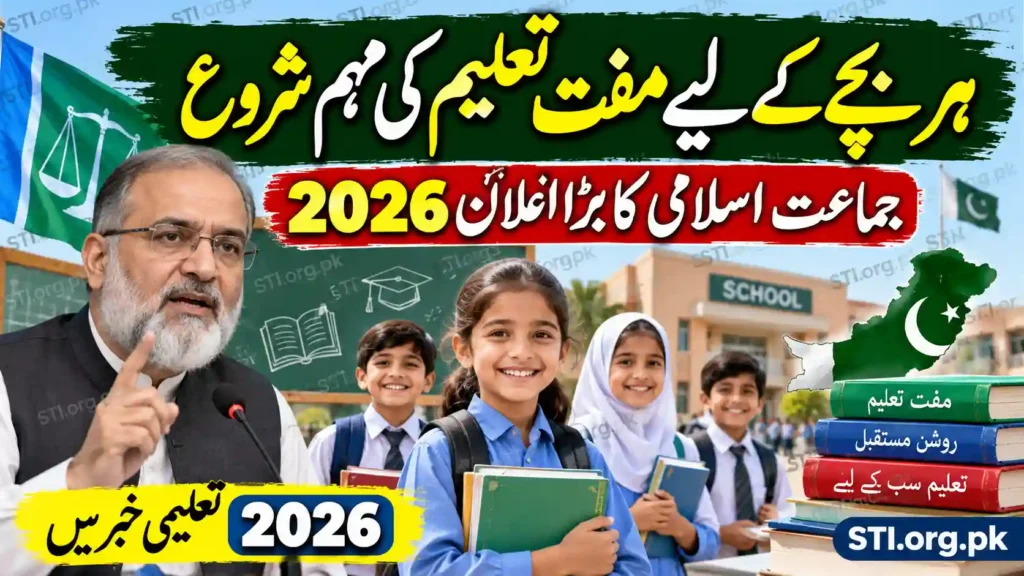
JI Launches Free Education Campaign for Every Child Across Pakistan 2026, bringing attention to the importance of equal educational opportunities for children from all backgrounds. Education is one of the most important needs of every child, but many families in Pakistan struggle to pay school fees, purchase books, and manage other educational expenses. Such challenges can prevent children from attending school regularly and completing their education.
The campaign highlights the need to make education accessible to every child, regardless of their family’s financial condition. It also brings attention to the responsibilities of the government, educational institutions, parents, and society in improving the country’s education system.
In Pakistan, access to quality education remains an important national issue. Many children face financial difficulties, while others experience problems related to school facilities, teacher shortages, and limited educational resources. Campaigns that focus on free education can help raise public awareness and encourage practical steps to address these challenges.
JI Free Education Campaign 2026: An Overview
The JI Free Education Campaign 2026 focuses on the goal of providing educational opportunities to children across Pakistan. JI generally refers to Jamaat-e-Islami, a political and religious organization in Pakistan. The campaign’s reported focus on free education reflects a broader discussion about making schooling more affordable and accessible.
The main purpose of such an initiative is to highlight the importance of education as a basic need. Children should have opportunities to attend school, develop useful skills, and prepare for their future without facing unnecessary financial barriers.
However, specific details about the campaign’s official launch, registration process, participating schools, and implementation plan should be confirmed through an official Jamaat-e-Islami announcement before families take action.
The campaign also provides an opportunity to discuss how Pakistan can improve school enrollment, reduce dropout rates, and support children from low-income households.
Why Free Education Is Important in Pakistan
Education plays a major role in the development of individuals and communities. It helps children learn reading, writing, mathematics, science, and other essential subjects. It also prepares them to make better decisions and participate in society.
Unfortunately, educational expenses can become a serious burden for families with limited incomes. Even when tuition is free, parents may still need to pay for uniforms, transportation, stationery, books, and examination fees.
A free education campaign in Pakistan can draw attention to these problems and encourage policies that reduce the overall cost of schooling.
Free education can provide several benefits:
- Equal opportunities: Children from low-income and financially stable families can have better access to education.
- Reduced financial pressure: Parents may find it easier to send their children to school.
- Higher school enrollment: More children may enter the education system when financial barriers are reduced.
- Lower dropout rates: Financial assistance can help students continue their studies.
- Better employment opportunities: Education can prepare young people for future jobs and professional training.
- National development: A more educated population can contribute to economic growth and social progress.
These benefits depend on effective planning, adequate funding, and the availability of qualified teachers and suitable school facilities.
Major Challenges Facing Students in Pakistan
Pakistan’s education system faces several challenges that can affect children’s access to schooling. Understanding these problems is important for developing effective solutions.
1. High Educational Expenses
Many families have difficulty managing the cost of education. School fees, uniforms, books, transport, and other expenses can create financial pressure, particularly for households with several school-age children.
For some parents, these costs make it difficult to keep children enrolled throughout the academic year.
A well-planned free schooling initiative could help address this issue by reducing educational expenses and connecting eligible families with available support.
2. Children Out of School
Children may remain out of school for different reasons, including poverty, distance from educational institutions, family responsibilities, and a lack of suitable facilities.
Reaching these children requires more than public awareness. Authorities and educational organizations must identify underserved communities, improve access to schools, and help families understand the importance of education.
3. Shortage of Educational Facilities
Some communities have limited access to classrooms, libraries, laboratories, and other learning resources. Overcrowded classrooms can also make it difficult for teachers to provide individual attention.
Investment in school infrastructure is essential to ensure that children receive a suitable learning environment.
4. Teacher Availability and Training
Qualified teachers are necessary for improving educational standards. Students need teachers who can explain difficult subjects, support different learning needs, and encourage regular attendance.
Teacher recruitment, professional training, and classroom support should therefore remain important priorities in education reform.
5. Differences Between Urban and Rural Areas
Children living in remote villages may face challenges that are less common in major cities. Long distances to schools, limited transportation, and fewer educational facilities can affect school attendance.
Education campaigns should consider these differences and give special attention to communities with limited access to educational services.
Also read
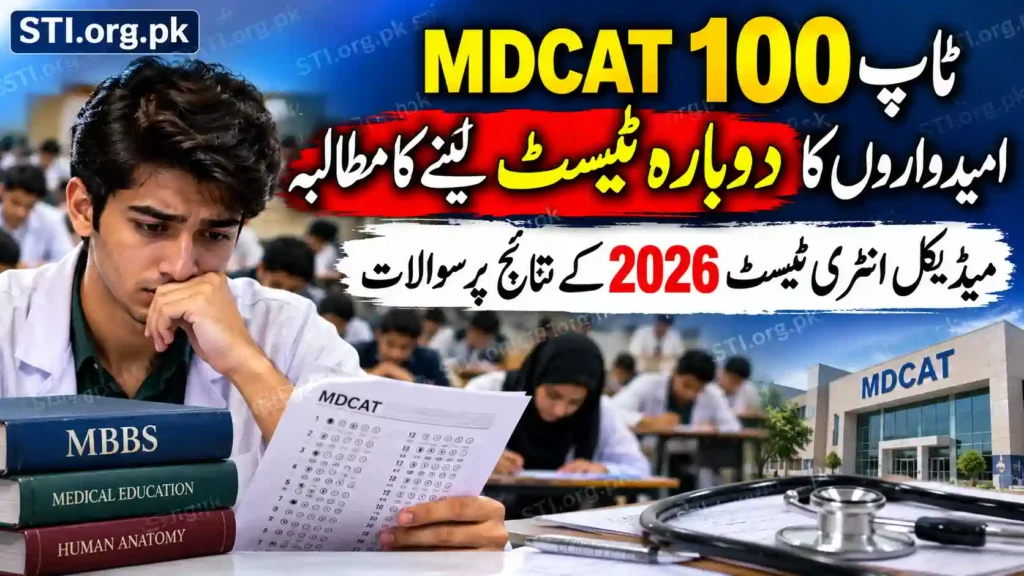
Retest Demanded for Top 100 MDCAT Candidates Amid Concerns Over Medical Entry Test Results 2026
How a Free Education Campaign Can Help Children
A successful JI free education campaign 2026 could contribute to public discussion about practical ways to improve access to schooling. The real impact of any campaign, however, depends on its specific activities and implementation.
Possible areas of support include the following.
Financial Assistance for Students
Financial support can help eligible families manage school-related expenses. Depending on the program, assistance may include tuition support, textbooks, uniforms, or educational materials.
If a formal assistance scheme is introduced, its eligibility requirements, funding arrangements, and application procedure should be announced clearly.
Awareness Among Parents
Some parents may need information about available schools, financial assistance, and the long-term benefits of education.
Awareness activities can encourage families to enroll their children, support regular attendance, and help students complete their education.
Support for Low-Income Families
Children from financially disadvantaged households may need additional help to continue their studies. Community organizations, charitable institutions, and government departments can work together to identify these needs.
Such cooperation can make educational support more effective and help direct resources toward students who need them most.
Promoting Girls’ Education
Girls’ education is essential for the social and economic development of Pakistan. However, some girls face additional barriers, including poverty, transportation difficulties, and limited access to nearby schools.
Education initiatives should encourage equal opportunities for girls and boys and support safe, accessible learning environments for every student.
Who Could Benefit From Free Education Initiatives?
The potential beneficiaries of a free education initiative may include children who cannot afford regular schooling or need additional educational support.
Depending on the actual program rules, priority groups could include:
- Children from low-income households.
- Students who have left school because of financial difficulties.
- Children living in underserved rural communities.
- Students who need textbooks, uniforms, or other learning materials.
- Girls facing barriers to school enrollment.
- Children who require support to continue their primary or secondary education.
These are possible beneficiary groups, not confirmed eligibility criteria for the reported JI campaign. Families should check the official announcement before assuming that they qualify for assistance.
JI Free Education Campaign 2026 Registration Process
Parents may want to know whether registration is available for the JI Free Education Campaign in Pakistan 2026. Before applying, families should confirm whether the campaign includes a formal student assistance program or is primarily an awareness and advocacy initiative.
No verified application portal, registration deadline, or official list of required documents is established in the information available for this article.
If a formal registration process is announced, parents should follow the instructions provided by the authorized organizers. They may be asked to provide information such as a child’s name, age, current school, or household details, depending on the program’s requirements.
Families should follow these precautions:
- Check announcements through official Jamaat-e-Islami channels.
- Confirm whether applications are being accepted.
- Read the eligibility criteria carefully.
- Use only an officially confirmed application method.
- Avoid paying unverified registration fees.
- Never share sensitive personal information with unknown individuals or websites.
Parents should not assume that a registration form is genuine simply because it uses the campaign’s name or logo.
Government’s Role in Providing Free Education
While political parties and community organizations can raise awareness, government institutions have a major responsibility in improving access to education.
Public authorities can support free education through school funding, teacher recruitment, improved infrastructure, student assistance programs, and effective monitoring.
Pakistan’s education-related policies also need to address the differences between regions and ensure that public resources reach schools with the greatest needs.
Coordination between federal and provincial authorities is important because education administration and service delivery involve different levels of government.
A strong education system requires long-term planning rather than temporary announcements. Schools need reliable funding, trained teachers, updated learning materials, and regular assessments of student progress.
How Parents Can Support Their Children’s Education
Parents play an important role in helping children succeed at school. Even when families face financial difficulties, several practical steps can support a child’s learning.
Parents can encourage regular attendance, establish a daily study routine, communicate with teachers, and monitor academic progress.
They can also ask local schools and relevant government offices about available scholarships, textbook assistance, and other verified educational support programs.
Community members can contribute by helping children access learning materials, supporting local educational activities, and encouraging families to keep children in school.
These efforts can complement larger initiatives focused on free education for every child in Pakistan.
Expected Impact of the JI Education Campaign
The reported campaign could contribute to a wider conversation about education costs, equal opportunities, and the challenges faced by students from disadvantaged backgrounds.
Its actual impact will depend on the measures announced by the organizers, the resources available, and the level of cooperation among communities and educational institutions.
Important measures of success could include increased school enrollment, improved attendance, reduced dropout rates, and better access to learning materials.
It is also important to measure whether students are learning effectively. Enrollment alone does not guarantee quality education. Children need supportive teachers, suitable classrooms, and the resources required to develop essential skills.
Transparent reporting would help parents and the public understand what the campaign achieves and which challenges remain.
Pakistan Education News 2026 Conclusion
The JI Free Education Campaign 2026 highlights an important issue for Pakistan: every child deserves the opportunity to receive an education and build a better future. Financial difficulties, limited school facilities, and unequal access to educational resources can prevent children from reaching their potential.
Efforts to expand access to free education can help families, improve school enrollment, and support the country’s long-term development. However, meaningful progress requires clear policies, proper funding, qualified teachers, and cooperation between government institutions and community organizations.
Parents interested in the reported campaign should look for verified announcements from Jamaat-e-Islami to confirm its objectives, eligibility requirements, and any available registration procedure.
Important note: The specific operational details of the reported 2026 campaign have not been independently verified here. Readers should confirm any claims about registration, financial assistance, participating schools, or official benefits through reliable announcements before taking action.