

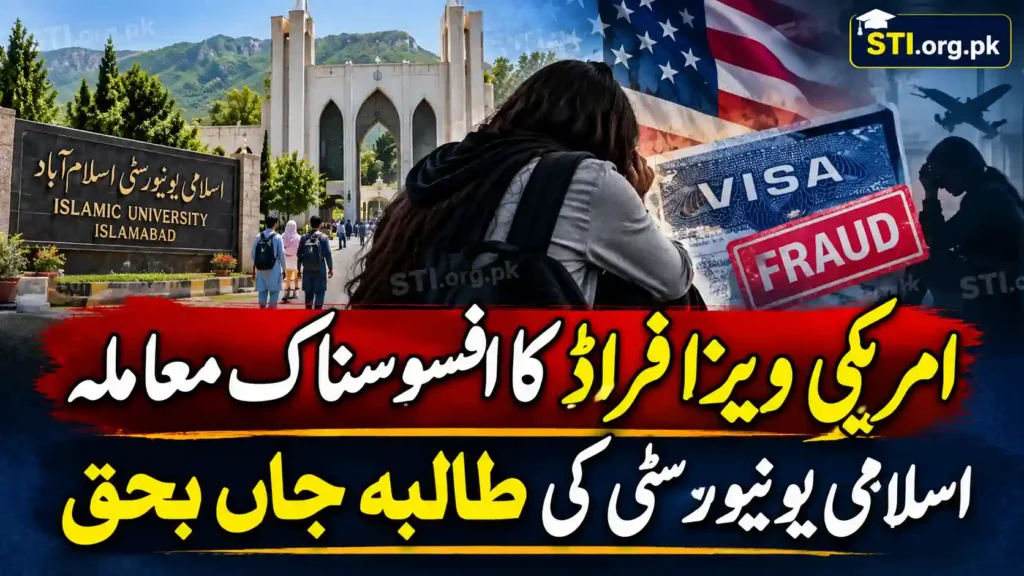
A tragic incident involving an Islamic university student has raised serious concerns about study visa fraud, student safety, and the emotional pressure faced by young people who hope to study abroad. According to the reported case, the student died by suicide following an alleged fraud involving a US study visa. The incident has drawn attention to the risks students may face when dealing with unverified visa agents and promises of overseas education.
The case highlights the importance of checking visa information through official channels, verifying education consultants, and providing emotional support to students who experience serious setbacks. However, the specific circumstances surrounding the incident, including the allegations of fraud and the events leading to the student’s death, require confirmation from reliable sources and relevant authorities.
Islamic University Student Death Raises Concerns
The reported death of an Islamic university student has brought renewed attention to the challenges faced by young people pursuing higher education and international opportunities. For many Pakistani students, studying in the United States is an important goal because they hope to access quality education, develop professional skills, and build a better future.
Students often spend years preparing for international admissions. They may take language tests, collect academic documents, apply to universities, arrange financial support, and complete visa procedures. Families may also invest a significant amount of money in these plans.
When an overseas education plan fails because of alleged fraud, financial loss, or visa rejection, students can experience disappointment and stress. Such circumstances can become especially difficult when they involve family expectations, financial pressure, or uncertainty about the future.
The reported case serves as a reminder that students need reliable guidance and emotional support throughout the study-abroad process.
Alleged US Study Visa Fraud Case
The incident has raised questions about the risks associated with US study visa fraud and misleading promises made to students seeking admission to foreign universities.
The United States offers international students opportunities to study at approved educational institutions. However, obtaining a student visa involves specific requirements, documentation, and decisions by the relevant authorities. No private consultant can guarantee that a visa will be approved.
In some cases, students may encounter individuals or agencies that claim they can guarantee admission, arrange visas through special contacts, or complete the process without following the required procedures. Such claims should be treated with caution.
The allegations connected to this case should be investigated by the appropriate authorities. It is important not to identify any person or organization as responsible for fraud unless reliable evidence establishes the facts.
Students and families should also preserve receipts, payment records, messages, contracts, and other relevant documents if they believe they have been deceived by a visa consultant.
Also read
Retest Demanded for Top 100 MDCAT Candidates Amid Concerns Over Medical Entry Test Results 2026
How Study Visa Fraud Can Affect Students
Student visa scams can cause financial, academic, and emotional difficulties. Students may lose money saved over several years, miss university admission deadlines, or discover that their applications contain false or incomplete information.
The effects can extend beyond the individual student. Families may borrow money, sell assets, or use their savings to finance an overseas education plan. When the process fails, the resulting financial pressure can affect the entire household.
Students may also feel embarrassed or afraid to explain what happened to their families. Some may worry about disappointing their parents or losing an opportunity they have worked toward for a long time.
These pressures show why families should respond to problems with understanding rather than blame. A visa rejection, financial loss, or fraudulent transaction should never be treated as the end of a young person’s future.
The most important response is to seek appropriate assistance, report suspected wrongdoing, and ensure that affected students receive emotional and practical support.
Important Warning for Pakistani Students Planning to Study in the USA
Pakistani students interested in study in USA programs should carefully verify every stage of the application process before paying an education consultant.
Students can take several steps to protect themselves from possible fraud.
1. Verify the University
Before making any payment, check the university’s official website and confirm that the institution offers the intended program. Students applying for US student visas should also verify the institution’s eligibility to enroll international students.
2. Check Official Visa Information
Read the latest requirements through official US government websites. The US Department of State provides information about student visas, application procedures, and interviews.
3. Avoid Guaranteed Visa Claims
No consultant should promise guaranteed visa approval. Visa decisions are made by the relevant US authorities after reviewing the application and other required information.
4. Request Written Agreements
Students should obtain written agreements explaining the services, fees, refund conditions, and responsibilities of any education consultant they hire.
5. Keep Payment Records
Always request receipts and retain bank transfer records. Avoid sending money to unknown individuals without checking their identity and the legitimacy of the service.
6. Contact the University Directly
Students can contact the university’s international admissions office to confirm admission letters, tuition fees, scholarship offers, and other important information.
These precautions can help reduce the risk of overseas education scams and protect students from misleading claims.
Also read
95% of US Students Use AI for Assignments as Artificial Intelligence Transforms Education in 2026
What Authorities Should Investigate
The reported case highlights the need for a careful examination of the alleged visa fraud. If a complaint has been filed, the relevant authorities may need to review financial transactions, communications, agreements, and other available evidence.
A fair investigation should establish whether any person or agency misrepresented its services, collected money through deception, or provided false documents.
Authorities should also ensure that affected students and their families know how to report suspected fraud and access appropriate legal assistance.
At the same time, the privacy and dignity of the deceased student and the family should be respected. Unverified claims, personal details, and speculation about the circumstances of the death should not be circulated as established facts.
Any confirmed findings should be communicated through reliable official statements.
Mental Health Support for Students Facing Pressure
The reported tragedy also highlights the importance of student mental health. Academic competition, family expectations, financial difficulties, and uncertainty about employment or overseas education can create serious pressure for some young people.
Students who experience a major setback should be encouraged to speak with someone they trust. Parents, teachers, university counselors, friends, and qualified mental health professionals can help students work through difficult circumstances.
Families should avoid treating educational or visa setbacks as personal failures. A rejected application, a lost financial opportunity, or a delayed career plan does not determine a person’s value or future potential.
Universities can also help by making counseling services accessible, training staff to recognize signs of distress, and providing clear procedures for students who need urgent support.
If a student expresses thoughts of suicide or appears to be in immediate danger, take the situation seriously, stay with the person if it is safe to do so, and seek urgent help from local emergency services or a qualified healthcare professional.
Emotional support and timely intervention can make a meaningful difference when someone is struggling.
How Students Can Protect Their Future After a Visa Setback
A failed visa application or suspected scam can feel overwhelming, but students still have options. They may be able to explore another university, apply for a future intake, consider scholarships, or investigate suitable educational opportunities in Pakistan and other countries.
Anyone affected by suspected fraud should first gather the relevant evidence and seek advice from an appropriate legal professional or official complaint channel. Students should avoid making additional payments to anyone who promises to recover lost money without a clear and verifiable process.
Families can help by discussing the available options calmly and making a realistic plan based on the student’s academic goals and financial circumstances.
The key message is that studying abroad is one possible route to success, not the only route. Students can build meaningful careers through different educational pathways, professional training, and employment opportunities.
Pakistani Students Study Abroad Conclusion
The reported death of an Islamic university student following an alleged US study visa fraud case is a deeply concerning reminder of the risks that can arise when educational ambitions meet financial uncertainty and misleading promises.
The allegations require careful verification, and any investigation should establish the facts without spreading unconfirmed information. Students planning to study in the United States should verify universities, review official visa requirements, and avoid consultants who promise guaranteed results.
Equally important is the need to support students who face disappointment, financial loss, or intense personal pressure. Education and career setbacks can be difficult, but they do not remove a person’s opportunities for a better future.
Families, universities, and authorities all have a role in promoting safer overseas education processes, preventing fraud, and ensuring that students can access support when they need it most.