
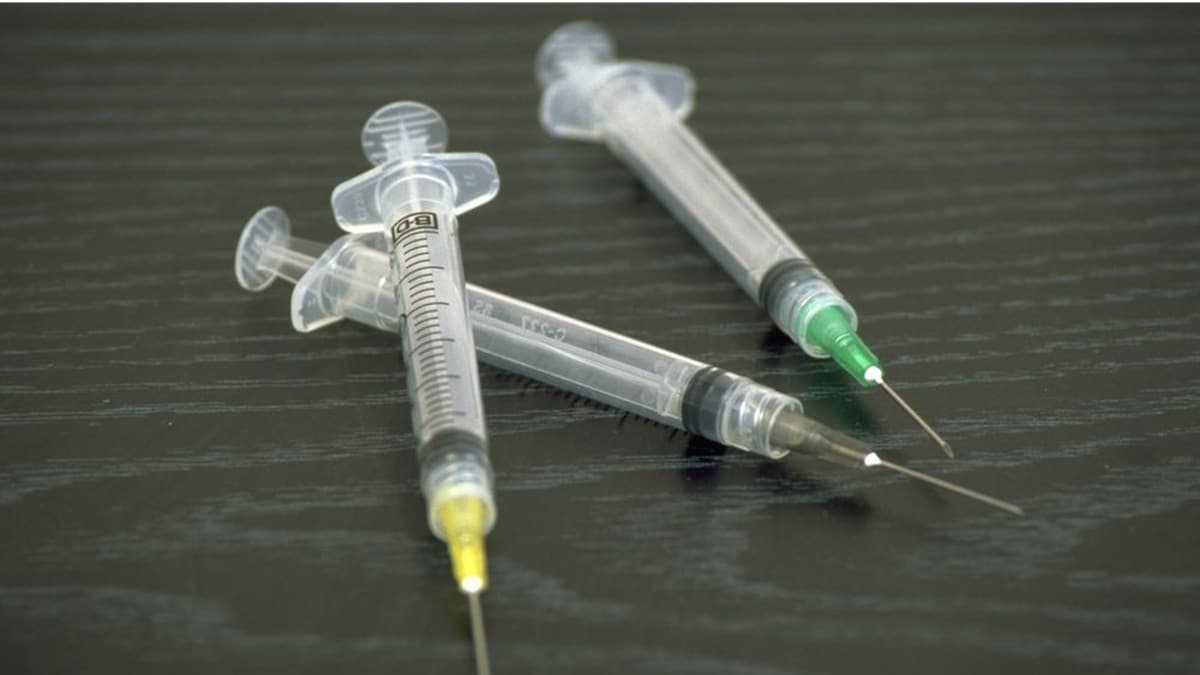
The Punjab Health Care Commission has announced a province-wide ban on traditional, reusable syringes across all hospitals, marking a significant public health policy shift aimed at curbing the spread of infectious diseases through unsafe injection practices. Under the new Punjab bans traditional syringes hospitals directive, conventional syringes up to 10cc will be phased out starting January 1, 2027, after which only single-use, auto-disable syringes will be permitted across all health facilities in the province.
The decision follows growing concern among public health officials about the role reused or improperly disposed syringes play in transmitting bloodborne infections, including hepatitis B, hepatitis C, and HIV. Pakistan has faced repeated localized outbreaks linked to unsafe injection practices in recent years, prompting health authorities to move toward stricter regulatory controls on medical waste and injection equipment.
What the New Rules Require
Under the commission’s directive, all health facilities across Punjab — from major hospitals to smaller clinics — will be required to arrange proper medical waste disposal systems to handle the transition to single-use equipment safely. The policy imposes a complete ban on recycling single-use medical items, explicitly covering syringes, infusion sets, drip sets, and cannulas, all of which have previously been vulnerable to unsafe reuse in resource-constrained settings.
Perhaps most critically, the commission has strictly prohibited the reuse of syringes and drip sets on multiple patients, explicitly banning the practice of administering a single injection across more than one patient using the same equipment. Health officials have identified this practice as one of the most direct and preventable routes of infectious disease transmission within clinical settings, and the new rules are designed to close that gap entirely ahead of the 2027 deadline.
Implementation Challenges Ahead
While the policy has been welcomed by public health advocates as a necessary step toward safer clinical practice, implementing it consistently across Punjab’s vast and varied healthcare landscape — spanning well-resourced urban hospitals to under-resourced rural clinics — is expected to pose logistical challenges. Ensuring reliable, affordable access to single-use syringes and proper waste disposal infrastructure in smaller and more remote facilities will likely require sustained investment and monitoring from the health commission.
Healthcare providers across the province now have roughly a year to fully transition their procurement and waste management practices ahead of the January 2027 enforcement date. The Punjab Health Care Commission has indicated that compliance monitoring will intensify as the deadline approaches, with facilities expected to demonstrate they have moved away from reusable syringes and toward the mandated single-use, auto-disable alternatives well before the ban takes full effect.
Public health experts note that Pakistan’s push toward single-use injection equipment mirrors similar reforms undertaken by other countries in the region grappling with preventable disease transmission linked to unsafe medical practices. The World Health Organization has long advocated for auto-disable syringes as a critical tool in reducing needle reuse, and Punjab’s move brings the province’s regulatory framework closer in line with those international best practices, even as questions remain about funding and enforcement capacity at the district level.
In other civic service news, the Rawalpindi Excise One-Window Facilitation Centre has launched to speed up tax-related services for residents.