

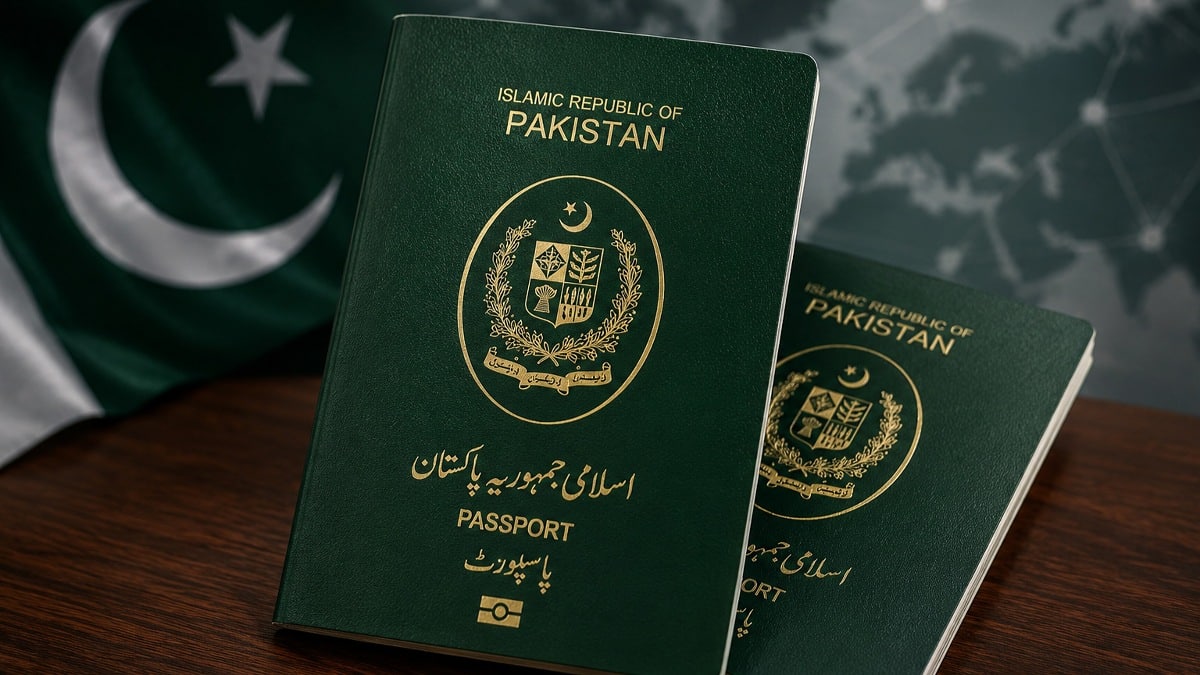
Director General Immigration and Passports Muhammad Ali Randhawa has chaired a high-level meeting in Islamabad to review ongoing efforts aimed at improving passport services improvement measures across the country, as authorities continue working to make the application and delivery process faster and more accessible for citizens.
The meeting brought together senior officials from the Directorate General of Immigration and Passports (DGIP) to assess current performance and identify gaps in service delivery, at a time when demand for passport services, particularly from overseas job seekers and students, remains consistently high.
Key Areas Under Review
According to officials familiar with the meeting, discussions centered on several core areas: passport issuance and processing timelines, the newly introduced passport application system at NADRA registration centers, integration of passport services with the Pak ID mobile application, and the efficiency of passport delivery services to applicants’ doorsteps.
The inclusion of NADRA registration centers as passport application points is aimed at decentralizing the process and reducing the burden on dedicated passport offices, which have historically faced long queues and processing delays, especially in major cities. Meanwhile, integration with the Pak ID app is intended to give citizens a single digital touchpoint for tracking applications and accessing related government identity services.
Directives Issued for Faster, Simpler Service
DG Randhawa directed all relevant officials to resolve outstanding operational issues on a priority basis, stressing that delays in passport issuance directly affect citizens’ travel, employment, and education plans abroad. He also instructed departments to strengthen coordination among all institutions involved in the passport ecosystem, including NADRA, foreign missions, and courier services handling passport delivery.
Emphasizing the need to expand digital facilities, Randhawa said the goal is to simplify procedures so that passport services become more convenient and less time-consuming for the general public. Officials were asked to submit progress updates on the discussed initiatives, with further reviews expected as the digital integration rolls out more broadly across passport offices and NADRA centers nationwide.
The push for streamlined passport services comes as Pakistan continues to see strong demand for international travel documentation, driven in part by labor migration, higher education abroad, and growing use of digital government services more broadly.
Pakistan’s passport application volumes have grown steadily in recent years, driven largely by labor migration to the Gulf and other regions, along with rising numbers of students pursuing education overseas. This sustained demand has placed pressure on the Directorate General of Immigration and Passports to modernize its systems and reduce the time citizens spend waiting for travel documents.
Officials at the meeting also discussed feedback collected from passport offices across major cities, where complaints about processing delays and inconsistent service quality have been common. By centralizing performance data and comparing service standards across regions, the DGIP aims to identify which offices need additional staffing, training, or technology upgrades to meet growing demand.
The integration of passport services with NADRA registration centers is expected to be rolled out in phases, starting with major urban centers before expanding to smaller cities and towns. This phased approach is intended to allow the department to address any technical or procedural issues early, before scaling the system nationwide.
In other capital-focused enforcement news, CDA has also launched a major drive against illegal structures along Islamabad Expressway East.