

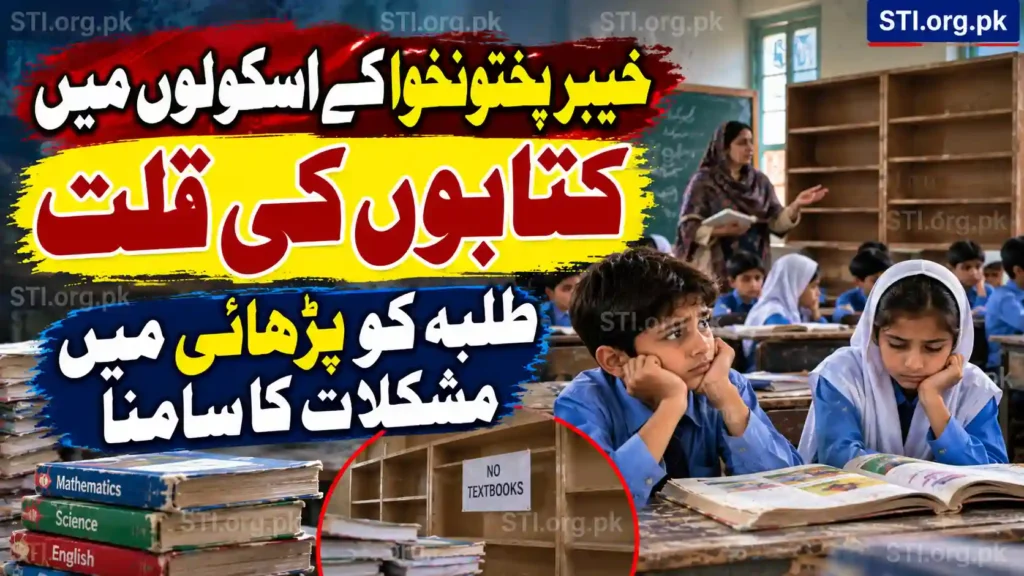
A major textbook shortage in Khyber Pakhtunkhwa (KP) has raised concerns among students, parents, and teachers as many children struggle to access the learning materials needed for their studies. The reported shortage is creating difficulties for classroom teaching, homework, and daily academic activities in affected schools.
Textbooks are an essential part of the education system. Students use them to understand lessons, complete exercises, prepare for examinations, and revise important topics at home. When books are unavailable, teachers may find it difficult to complete the syllabus according to the academic schedule.
The situation has also increased concerns about the quality of education in government schools, where many families depend on free or low-cost educational resources. Students from low-income households may face additional problems if they have to purchase missing books from the market.
The shortage highlights the importance of timely textbook distribution, effective planning, and coordination between education authorities and schools. However, the exact number of affected schools and students should be confirmed through official data.
KP Textbook Shortage Latest Update
The reported KP school textbook shortage has become a concern because students need textbooks to follow lessons and complete their coursework. If books are not available at the beginning of the academic session, students may struggle to keep pace with their classmates.
Teachers also face difficulties when students do not have the same learning materials. They may need to write additional notes on classroom boards, share photocopied material, or explain lessons without asking students to follow the textbook.
These temporary arrangements can help students continue learning, but they are not always a complete replacement for the required books.
The situation calls for attention from the relevant education authorities, school administrations, and textbook distribution agencies. They need to identify which books are missing, determine the reasons for delays, and ensure that the required materials reach affected schools.
Parents should check with their children’s schools to learn which textbooks are unavailable and whether any official distribution schedule has been announced.

Why Are Students Facing Problems Because of the Textbook Shortage?
Textbooks provide a structured way for students to learn new concepts and practise what they have studied in class. A shortage can affect several parts of the educational process.
1. Difficulty Understanding Classroom Lessons
Students often follow the teacher’s explanation while reading the relevant chapter in their textbooks. Without a book, it may become harder to understand examples, diagrams, definitions, and exercises.
Some students may remember a teacher’s explanation during class but struggle to revise the same topic later at home.
The problem can be more serious for younger children who are still developing basic reading, writing, and mathematics skills.
2. Problems Completing Homework
Homework allows students to practise what they have learned during the school day. Many assignments require students to read a chapter, answer questions, solve exercises, or prepare written notes.
When textbooks are unavailable, students may not know which questions to complete or where to find the information needed for their assignments.
Teachers can provide alternative exercises, but this requires extra time and preparation.
3. Examination Preparation Becomes Difficult
Students depend on textbooks to revise lessons and prepare for school tests and annual examinations. Missing books can make it difficult to cover the syllabus properly.
Students who have to borrow books from classmates may also receive less time to study independently.
A prolonged shortage could increase pressure on students as examinations approach. Schools may need to provide additional learning materials to help affected children complete their preparation.

How the Shortage Affects Teachers and Schools
The textbook crisis in KP schools does not affect students alone. Teachers and school administrations also face practical challenges when learning materials are missing.
Teachers usually prepare lessons according to the approved curriculum and textbook chapters. If students do not have the required books, teachers may need to change their teaching methods or spend additional time explaining basic information.
This can slow classroom progress and make it harder to complete the syllabus on schedule.
School administrations may also need to contact distribution officials, prepare lists of missing books, and inform parents about the situation.
In schools where many students lack textbooks, teachers may have to share limited copies among several children. This arrangement can reduce the time available for individual reading and classroom exercises.
A proper distribution system can reduce these difficulties by ensuring that books reach schools before lessons begin.

Impact on Students From Low-Income Families
A shortage of free textbooks can create additional financial pressure for families who cannot easily afford to purchase replacement books.
Parents may have to decide whether to buy missing textbooks, arrange second-hand copies, or ask relatives and neighbours for help.
For households with several school-going children, purchasing a complete set of books can be expensive.
Students from families with limited financial resources may have fewer alternatives when free textbooks are delayed.
This is why free textbook distribution in Khyber Pakhtunkhwa is an important part of educational access. Timely provision of learning materials can help reduce the financial burden on parents and give students a fairer opportunity to study.
Education authorities should pay particular attention to schools serving remote communities and families that cannot afford private learning resources.

Possible Reasons Behind the Textbook Shortage
The exact causes of the reported shortage need to be established through official information. However, several issues can contribute to delays in textbook delivery.
Printing and Production Delays
Textbooks must be prepared, printed, checked, and packaged before distribution. Delays at any stage can affect the delivery schedule.
If the number of books printed does not match student enrolment, some schools may receive fewer copies than required.
Distribution and Transportation Problems
Even when books are printed, they must be transported to warehouses, district offices, and individual schools.
Schools in remote areas may require additional planning to ensure that deliveries reach them on time.
Poor coordination between distribution centres and schools can also create uneven supplies.
Changes in Student Enrolment
The number of enrolled students may change between the preparation of distribution plans and the beginning of the academic session.
If authorities rely on outdated enrolment figures, some schools may receive too few textbooks while other schools have extra copies.
Planning and Recordkeeping Issues
Accurate records are essential for distributing textbooks according to actual demand.
Education authorities need updated information about student numbers, class levels, book requirements, and available stock. Better planning can help identify shortages before they affect classroom learning.
These are possible causes, not confirmed explanations for the current reported situation.
What Should the KP Education Department Do?
The relevant authorities can take several practical steps to address textbook shortages and reduce their impact on students.
First, identify affected schools. Officials should collect updated information from schools about missing textbooks, class levels, and the number of students who need books.
Second, arrange urgent distribution. Available stock should be sent to schools facing the greatest shortages, with priority given to students who have no access to the required learning materials.
Third, improve coordination. Textbook production, storage, transportation, and school distribution should be managed through a clear schedule.
Fourth, provide temporary learning resources. If books cannot be delivered immediately, schools can use authorised digital materials, shared classroom copies, or teacher-prepared worksheets where appropriate.
Fifth, monitor delivery progress. Authorities should track whether textbooks have reached their intended schools and address complaints about missing supplies.
Finally, improve future planning. Updated enrolment data and earlier preparation can help reduce the risk of similar problems in future academic sessions.
These measures can support a more reliable textbook distribution system and help students continue their education with fewer interruptions.
What Can Parents and Students Do?
Parents and students can take practical steps while waiting for the missing textbooks.
- Contact the school administration to confirm which books are unavailable.
- Ask teachers whether alternative learning materials can be used temporarily.
- Share textbooks responsibly with classmates when necessary.
- Use educational materials approved or recommended by teachers.
- Keep track of official announcements about textbook distribution.
- Avoid purchasing expensive replacement books before checking whether the school will provide the missing copies.
Parents should also report persistent shortages to the relevant school authorities so that the issue can be recorded and addressed.
Students should continue attending classes and completing their work as far as possible, while teachers provide guidance on lessons that cannot be followed directly from textbooks.
Why Timely Textbook Distribution Matters
Access to textbooks in government schools is essential for consistent learning. Books help students build knowledge gradually, practise important skills, and prepare for assessments.
They also provide a common learning resource for teachers and students, making it easier to follow the approved curriculum.
When textbooks arrive late, the impact can extend beyond a few missed lessons. Students may fall behind, teachers may need to change their schedules, and parents may face additional expenses.
A reliable distribution system can help schools begin each academic session with the resources they need.
The KP textbook shortage therefore highlights the need for better planning, accurate records, and stronger communication between education officials and school administrations.
KP Education News 2026 Conclusion
The reported major textbook shortage in KP schools has raised concerns about students’ learning, teachers’ classroom activities, and the financial pressure on families. Missing books can make it harder for children to understand lessons, complete homework, and prepare for examinations.
The immediate priority should be to identify affected schools and ensure that the required textbooks reach students as soon as possible. Temporary learning materials may help reduce disruption, but they should not replace a reliable system for distributing the correct books on time.
The KP education authorities should review distribution arrangements, improve coordination, and monitor the availability of textbooks across schools.
Every student deserves access to the learning materials needed to study effectively. Timely textbook delivery is an important step towards improving educational quality and supporting children across Khyber Pakhtunkhwa.