
Punjab’s school meal program is taking a new direction by adding sustainability to its core. The initiative now focuses on both nutrition and environmental awareness.
The program uses recyclable milk cartons to reduce waste. These cartons are later converted into useful items like benches and notebooks.
This system creates a closed-loop recycling model in schools. It helps turn daily consumption into a practical environmental solution.
Also read
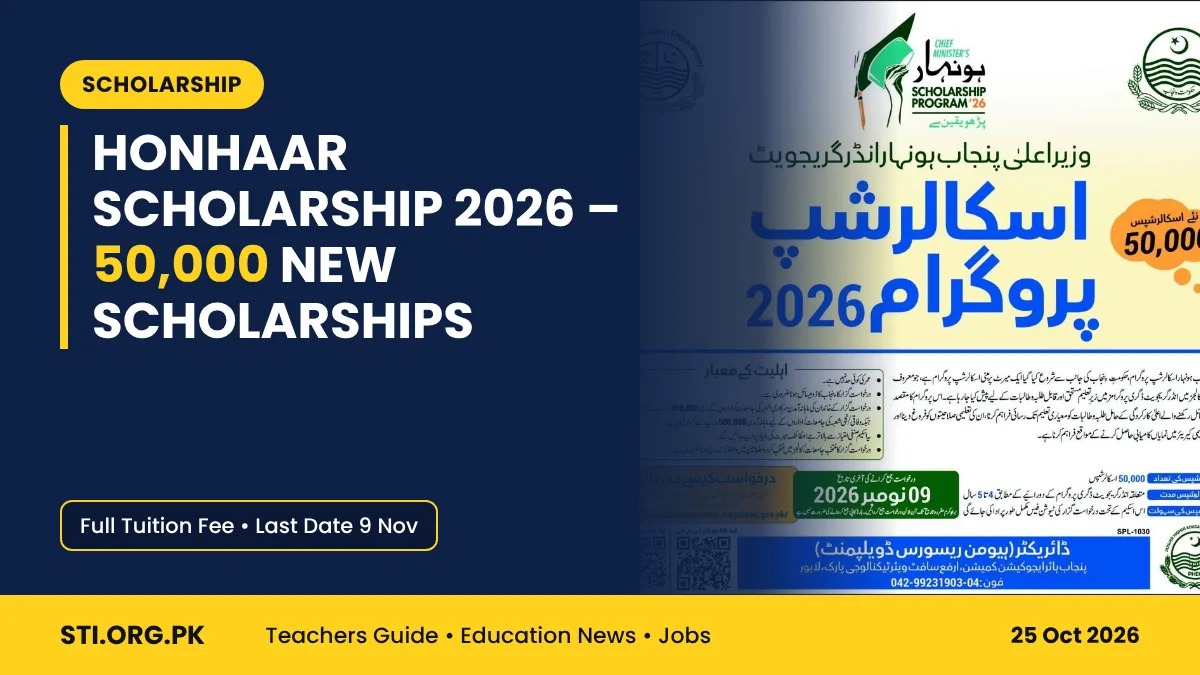
Latest News: CM Punjab Honhaar Scholarship 2026 Opens – 50,000 New Scholarships, Apply by 9 November
Globally, school feeding programs are evolving beyond nutrition. Many countries are now linking them with sustainability and learning.
Punjab’s initiative follows similar global practices. It combines education with eco-friendly habits in a simple and effective way.
Countries like Colombia and Malaysia have already implemented recycling programs in schools. These models encourage students to actively participate.
In Punjab, students learn recycling through real actions. This helps them understand environmental responsibility from an early age.
Experts say such programs can shape long-term behavior. Children who learn recycling habits often continue them in daily life.
The initiative is also important for Pakistan’s climate challenges. The country faces rising temperatures, water stress, and environmental risks.
Officials believe this program can reduce waste and improve resource use. It also supports a cleaner and greener future.
The school meal program is now more than just food distribution. It is becoming a tool for education, sustainability, and social change.
Punjab’s model may inspire other regions to adopt similar systems. It shows how simple ideas can create long-term impact.