

Prime Minister Shehbaz Sharif has launched the Digital Wallet System to push Pakistan toward a cashless, transparent, and inclusive economy by 2025. This national rollout connects citizens, merchants, and government programs through simple, secure, and traceable digital payments, laying the foundation for faster transactions, lower fraud, and wider financial access across urban and rural Pakistan.
The Digital Wallet System is built to solve long-standing problems caused by heavy cash usage—informal transactions, tax leakage, and high costs of cash handling. By enabling QR-based payments, mobile wallet adoption, and direct links to bank accounts and CNICs, the rollout advances Pakistan’s Digital Payment Platforms Pakistan agenda and supports a broader Cashless Economy Pakistan vision that includes students, women, small shopkeepers, and farmers.
What Is the Digital Wallet System 2025?
The Digital Wallet System is a government-backed digital payments framework that lets people send and receive money using mobile apps and QR codes with instant settlement through banking rails. It supports government-to-person benefits, person-to-merchant purchases, and peer-to-peer transfers. It is the centerpiece of Government Digital Wallet Scheme efforts and aligns with Pakistan FinTech Innovation goals by connecting wallets with the national instant payment infrastructure and modern identity verification.
Under this framework, a citizen can open an e-wallet or link an existing mobile wallet to a bank account. Every user receives a unique digital identifier or QR code. Payments are completed within seconds, and each transaction is recorded, traceable, and auditable. This architecture is designed for scale, security, and inclusion, and it is fully compatible with Pakistan’s existing real-time payment rails.
Also read

Latest News: CM Punjab Honhaar Scholarship 2026 Opens – 50,000 New Scholarships, Apply by 9 November
Why Pakistan Needed a Cashless Push
Pakistan has historically relied on physical cash. That habit limits transparency, creates barriers for the unbanked, and slows the growth of documented commerce. The new system aims to make Mobile Wallet Adoption 2025 simple for every citizen, reduce risks for shopkeepers, and help the state monitor and protect public money more effectively.
For households, e-wallets will reduce the need to carry cash; for businesses, they will open access to credit and e-commerce channels through verified digital histories; for government, they will bring efficiency and reduce leakages in social payments.
Also read
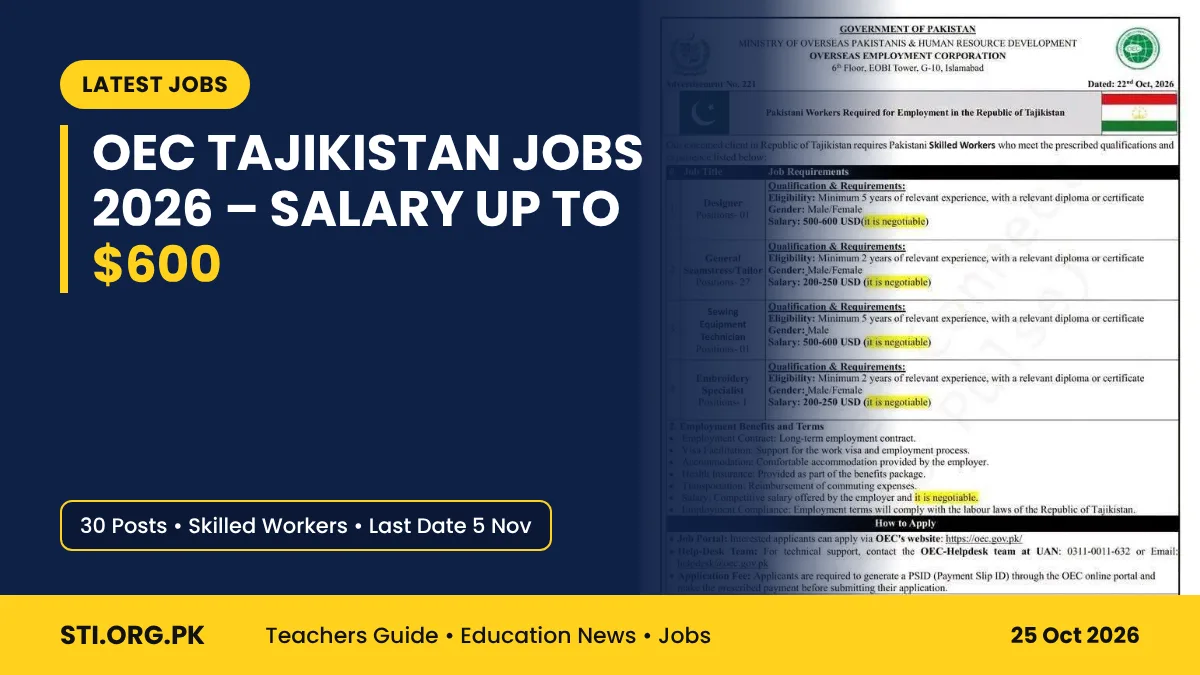
Latest Jobs: OEC Tajikistan Jobs 2026 for Pakistani Skilled Workers – 30 Posts, Salary Up to $600
Vision and Launch Highlights
The Prime Minister’s vision is clear: every eligible citizen should be able to make and receive payments digitally with safety and ease. At launch, the government prioritized social protection programs by providing millions of wallets to beneficiaries along with biometric verification for strong security.
Free SIM support in early phases helps low-income users connect, and conditional payments tied to education and health outcomes can now be tracked better, improving public service delivery while advancing Financial Inclusion Pakistan Youth goals.
Read Also: T-Cash Card Activated in Punjab 2025
Also read

CTI Final Merit List 2026 Update – Check Your Name & Merit Position at cti-hep.punjab.gov.pk
How the System Works (User, Merchant, Government)
A citizen downloads an approved app or visits an assisted enrollment point to create a wallet or link a bank account. CNIC and mobile number are verified (often with biometrics). A personal QR is generated. The user can receive government support, send money to family, and pay at shops by scanning merchant QR codes. Transactions settle in real time and appear in the app history.
A merchant registers digitally and receives a static or dynamic QR to accept payments. Customers scan the code to pay; the merchant sees confirmation instantly. Settlement reaches the merchant’s linked wallet or bank account quickly, reducing cash-handling costs and improving record-keeping. This supports the District Health Plan–style rigor now applied to payments data for better microcredit access and formal business growth.
Government and Financial Infrastructure
The platform runs on the country’s instant payment rails and complies with regulated standards under the State Bank of Pakistan. Banks, payment service providers, and telecom partners collaborate to ensure interoperability, security, and consumer protection. Aggregated data (with privacy safeguards) supports policy-making, fraud detection, and service improvement.

Eligibility (Who Can Use It)
| Category | Eligibility |
|---|---|
| Citizens | Pakistani CNIC holder with a basic mobile phone or smartphone (feature-phone USSD options may be available in select phases) |
| BISP and Welfare Beneficiaries | Eligible beneficiaries onboarded through verified lists for digital disbursements |
| Merchants/SMEs | Any registered or informal merchant willing to accept QR payments and complete KYC |
| Government Programs | Ministries and departments approved to disburse payments digitally under the scheme |
| These eligibility rules support the Government Digital Wallet Scheme’s goal of open access while maintaining security and compliance. |
Requirements (Documents, Devices, Apps)
| Requirement | Details |
|---|---|
| Identity | Valid CNIC and active mobile number for registration and verification |
| Device | Smartphone for app-based wallet; some phases may support USSD for basic phones |
| App/Interface | Approved mobile wallet or banking app supporting QR and instant transfers |
| KYC/Verification | Biometric or OTP-based verification as per regulatory standards |
| Merchant Onboarding | Simple digital KYC, business details, and bank/wallet link for settlements |
| These requirements are kept as light as possible to accelerate Digital Wallet Launch Pakistan and reduce barriers for rural users and small vendors. |
How to Apply (Step by Step)
For Citizens
- Install an approved digital wallet or banking app or visit an authorized onboarding point for assisted setup.
- Enter CNIC and mobile number; complete biometric or OTP verification.
- Create a PIN/password and enroll a recovery option.
- Link a bank account if desired, or use the wallet balance for payments.
- Receive your personal QR; start sending/receiving money and paying merchants.
For Merchants and SMEs
- Register in an approved wallet or bank merchant portal and provide CNIC and contact details.
- Complete digital KYC and agree to merchant terms.
- Link a bank account or wallet for settlement.
- Receive a QR kit (printed or digital) to display at the counter.
- Start accepting payments; monitor settlements and transaction history in the app.
For Government Scheme Enrollment
- Eligible beneficiaries are notified via official channels or assisted enrollment camps.
- Verify identity and link wallet during enrollment.
- Receive disbursements directly in the wallet and use them at participating merchants or cash-out points where allowed.
Benefits (Why It Matters)
| Benefit | Citizens | Merchants/SMEs | Government/Economy |
|---|---|---|---|
| Transparency | Clear transaction history; safer than cash | Digital records for audits and tax compliance | Lower leakage and better oversight |
| Speed and Ease | Instant QR payments; no need to carry cash | Faster settlements, fewer bank visits | Faster program delivery |
| Security | Biometric/CNIC checks and app controls | Less theft/counterfeit risk | Better fraud detection |
| Inclusion | Access to savings, credit, and bill pay | Entry to e-commerce and supplier networks | Broader tax base and formalization |
| Cost Efficiency | Lower hidden costs of cash handling | Reduced cash logistics and errors | Lower distribution costs for benefits |
| These E-Wallet Benefits Pakistan elements answer everyday needs and support Pakistan FinTech Innovation objectives by making payments simple, traceable, and valuable for all sides. |
Use Cases You’ll See First
Government-to-Person Support
Cash assistance and subsidies can be delivered directly into verified wallets, cutting queues and middlemen. Families can pay school fees, utility bills, or groceries via QR. This improves transparency and ensures each rupee reaches the intended person.
Daily Retail and Transport
From street food to fuel stations and taxis, QR codes allow quick payments without small notes or change. For consumers, this reduces cash runs; for businesses, it speeds up checkout and improves hygiene and safety.
E-Commerce and Service Providers
Freelancers, tutors, and home businesses can receive instant payments with a shared QR. Delivery services can collect digital payments at the door, helping small firms formalize and access working capital based on transaction histories.
Fees, Limits, and Consumer Protections
Regulated providers must disclose any fees clearly before you pay. Many wallet-to-wallet payments will be free or very low cost to encourage adoption, especially in early rollout phases. Transaction limits may apply based on KYC level. Consumer protections include dispute resolution channels, app-level controls like spend caps, and strong authentication. Users should only install official apps, keep PINs private, and enable device security features.
Addressing Challenges (Digital Literacy, Coverage, Trust)
The transition away from cash will take time, especially where smartphones or connectivity are limited. To support adoption, authorities and partners plan digital literacy drives for underserved communities, including women and seniors. Telecom and banking partners are expanding coverage and optimizing apps to work well on low-cost devices, while cybersecurity standards and audits safeguard user data. These steps are vital for building trust and sustaining Cashless Economy Pakistan momentum.
Rollout Strategy and 2025 Outlook
The early phase prioritizes social protection wallets for millions of beneficiaries, followed by wider merchant onboarding in markets, bus stands, clinics, and fuel pumps. Provinces and districts will run joint campaigns with chambers of commerce to accelerate sign-ups. By the end of 2025, the goal is to make digital payments a default option for common purchases, bills, and transfers, while ensuring that people who prefer cash still have clear paths to migrate at their own pace.
Practical Tips for New Users
Keep your CNIC and mobile number updated to avoid failed verifications. Only use official apps listed by regulated institutions. Set a strong PIN, turn on device lock, and never share one-time passwords. Learn to scan QR safely—check the merchant name on the screen before confirming payment. Save digital receipts and reconcile balances weekly. If you lose your phone, contact the provider immediately to block the wallet and reissue access on a new device.
Practical Tips for Merchants
Display the official QR prominently near the counter and train staff to guide customers. Reprint or re-download the QR if it fades or becomes unreadable. Reconcile settlements daily inside your merchant app. Use the transaction history to improve stock planning and apply for microcredit. If connectivity is unstable, request an offline-safe QR mode where supported and sync transactions when the signal returns.
Smart Features Coming Next
Expect features like request-to-pay invoices, split payments for group bills, and installment options for bigger purchases. Loyalty points and cashback can be integrated directly into the wallet, making digital spending more rewarding. Over time, you may also see embedded credit scores built from verified payment histories, allowing small businesses to unlock better financing.
Security, Privacy, and Data Rights
Wallet providers must comply with data protection and financial crime rules. Your data should be used only for delivering the service and improving security unless you give further consent. You can request a copy of your transaction history and ask how your data is processed. Report any suspicious messages or links and avoid sharing screenshots showing personal identifiers.
Read Also: Green Credit Program Punjab 2025
Frequently Asked Questions (FAQs)
Q1. What is the Digital Wallet System 2025?
It is a national digital payments framework that enables QR and mobile-wallet transactions linked to bank accounts and CNICs, with instant settlement on regulated rails.
Q2. Who can open a wallet?
Any Pakistani with a valid CNIC and mobile number can enroll. Assisted onboarding is available through authorized agents for those needing help.
Q3. Do I need a bank account?
No. You can use a wallet without linking a bank account, though linking one can make transfers and cash-in/out more flexible.
Q4. Are payments secure?
Yes. Biometric/OTP verification, strong PINs, device locks, and regulated providers offer layered protection. Always use official apps and secure networks.
Q5. What if my phone is lost?
Contact your provider immediately to block the wallet and restore access on a new device after verification.
Q6. What are typical fees?
Many wallet-to-wallet payments are free or low cost. Merchant acceptance fees are disclosed inside apps or by providers and are designed to be affordable.
Q7. Can small shops and street vendors join?
Yes. Onboarding is simple, QR kits are low-cost, and settlements are fast—ideal for microbusinesses and daily-wage sellers.
Q8. Will this replace cash completely?
No. Cash will still exist, but digital payments will become the preferred option for speed, safety, and convenience as adoption grows.
Conclusion
The Digital Wallet System marks a decisive turn in Pakistan’s financial evolution, bringing everyday payments, government support, and small-business transactions onto secure digital rails. By uniting identity, instant settlement, and low-friction QR acceptance, the initiative promotes transparency, accelerates commerce, and widens access to formal financial services.
With strong rollout planning and public education, the Digital Wallet System can power a modern, cash-light economy where users, merchants, and the state all benefit. As adoption grows through 2025, the Digital Wallet System is set to make paying, getting paid, and receiving support simpler, safer, and smarter for everyone in Pakistan.