

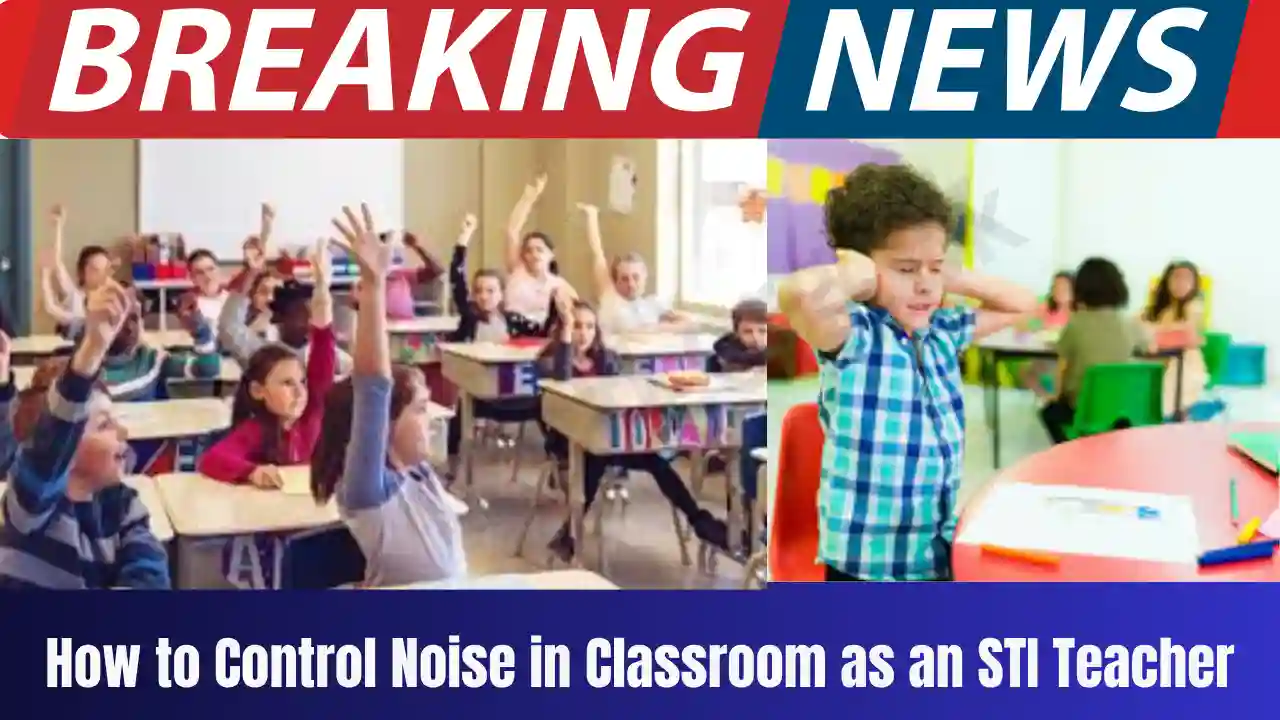
STI Noise Control Strategies Classroom is one of the most common and important challenges. A noisy classroom can make it difficult for students to focus, disrupt lesson flow, and cause frustration for both the teacher and learners. Since STI teachers are new to the teaching environment, learning how to control noise effectively becomes essential for maintaining discipline and ensuring that students understand lessons clearly.
Noise control is not just about maintaining silence; it’s about building a respectful learning atmosphere where students participate with focus and interest. By using creative strategies like clear rules, positive reinforcement, and engaging teaching techniques, STI teachers can create a calm classroom that supports both learning and enjoyment.
🎯 What Is Classroom Noise Control?
Classroom noise control refers to the techniques and practices teachers use to minimize unnecessary sounds, talking, or disruptions during teaching sessions.
The goal is not to suppress communication, but to maintain a balanced level of interaction that supports concentration and learning.
Why It’s Important:
- Improves students’ focus and comprehension.
- Builds respect between teacher and students.
- Saves teaching time and reduces frustration.
- Creates a peaceful environment for both learners and teachers.

🧑🏫 Challenges STI Teachers Face in Noisy Classrooms
New STI teachers often face difficulties when they first step into classrooms — especially in government schools with large class sizes and limited resources.
Here are some common noise-related challenges STI teachers experience:
- Overcrowded classrooms — too many students to manage individually.
- Lack of attention span — students get easily distracted.
- Poor seating arrangements — noise travels easily in cramped spaces.
- Peer talking or giggling during lessons.
- External noise from corridors or playgrounds.
- Lack of authority — new teachers struggle to establish control.
Understanding these issues helps STI teachers plan better and apply the right strategies.
Read Also: How to Check STI Schools List on pwwf.punjab.gov.pk

🪄 Practical Ways to Control Noise in the Classroom
1. Set Clear Rules from Day One
Students respond better when expectations are clearly defined. At the beginning of your internship, discuss class rules about speaking, movement, and listening.
Examples of simple classroom rules:
- Raise your hand before speaking.
- One person talks at a time.
- Maintain silence during explanations.
- Respect your classmates and teacher.
🟩 Pro Tip: Write the rules on a colorful chart and hang it on the classroom wall. Visual reminders reinforce discipline.
2. Use a Noise Signal or Cue
Instead of yelling, use creative signals to grab attention. For example:
- Ring a small bell or clap twice.
- Raise your hand silently (students will follow).
- Use a phrase like “1, 2, 3 – eyes on me!”
These cues are simple yet powerful ways to regain focus without shouting.
3. Maintain Eye Contact
A teacher’s body language is more powerful than words. Move around the classroom, make eye contact with talkative students, and position yourself near noise sources.
This silent approach quickly reduces disturbances without confrontation.
4. Engage Students in the Lesson
Boredom is the biggest reason behind noise. Make your lessons interactive — include quick activities, group work, and short questions to maintain interest.
Try these:
- Ask open-ended questions every few minutes.
- Use games and storytelling techniques.
- Include short quizzes to keep attention levels high.
5. Reward Positive Behavior
Encourage students who stay quiet and participate responsibly. Positive reinforcement works wonders.
You can:
- Give stars or stickers for good behavior.
- Praise the class collectively: “Excellent silence today!”
- Offer small privileges like being a class helper.
Such gestures motivate others to follow the same behavior.
Read Also: STI pesrp edu pk Login – Complete Portal Guide 2025
6. Control Your Voice Tone
Yelling may silence students temporarily, but it damages long-term respect.
Use a firm, calm, and confident tone instead of shouting.
Speak softly at times — students will lower their voices to hear you better.
7. Create Group Discipline
Divide the class into small groups and make them responsible for maintaining silence.
For example:
- Each group earns points for being quiet.
- The noisiest group loses a privilege.
This technique creates peer accountability and reduces the teacher’s workload.
8. Use Seating Arrangements Smartly
Strategic seating can prevent noise clusters.
- Keep noisy students near the front.
- Separate talkative pairs.
- Arrange desks in a “U” shape to maintain visibility.
Good seating promotes communication and discipline naturally.
9. Involve Students in Rule-Making
When students feel ownership of classroom rules, they’re more likely to follow them. Ask them to suggest rules or design a “Quiet Classroom Poster.”
This encourages responsibility and teamwork.
10. Control External Noise
If outside noise (from corridors or playgrounds) affects your class, try:
- Closing windows or using curtains.
- Rearranging desks away from the noise source.
- Scheduling quiet activities during high-noise periods.

📋 Tools and Techniques for STI Teachers
STI teachers can use several modern and creative tools to help with classroom noise management.
| Tool/Method | Description | Example |
|---|---|---|
| Noise Meter Apps | Measures class noise levels visually. | “Too Noisy” or “Classroom Screen” apps. |
| Visual Cues | Colored cards for noise levels. | Green = OK, Yellow = Moderate, Red = Too loud. |
| Reflection Time | Students reflect on behavior after noise. | Short discussion at end of day. |
| Peer Monitors | Assign student leaders to maintain order. | “Class Captain” of the week. |
These methods add structure and engagement while improving teacher authority.

📚 Role of Emotional Intelligence in Noise Control
Great STI teachers know that controlling noise isn’t about fear — it’s about connection. Emotional intelligence helps manage classroom dynamics better.
- Understand why a student is restless instead of scolding.
- Appreciate students’ efforts even in small ways.
- Handle conflicts calmly to prevent emotional outbursts.
Empathy builds mutual respect and naturally reduces unnecessary noise.
💬 Common Mistakes STI Teachers Should Avoid
Even experienced teachers can make errors while handling classroom noise.
Here’s what to avoid:
- Shouting frequently — it makes students immune to your voice.
- Ignoring noise for too long — discipline weakens over time.
- Punishing the whole class unfairly — creates resentment.
- Using sarcasm or harsh tone — lowers student morale.
- Lack of consistency — rules must apply every day.
💡 Example Classroom Strategy for STI Teachers
Here’s a sample daily routine plan that combines all noise control ideas effectively:
| Time | Activity | Noise Control Technique |
|---|---|---|
| 8:30 AM | Attendance | Soft background music during roll call |
| 8:45 AM | Lesson Start | Clear rules reminder + bell cue |
| 9:15 AM | Activity | Group work + monitor assigned |
| 10:00 AM | Discussion | “Silent hand raise” method |
| 11:00 AM | Break | Relaxed supervision |
| 11:30 AM | Lesson 2 | Random student questions |
| 12:30 PM | Reflection | Class feedback on discipline |
This structure helps maintain order while keeping lessons enjoyable.
🧠 Long-Term Classroom Discipline Building
STI teachers should aim for long-term behavioral development instead of short-term silence.
- Conduct regular “quiet time” exercises.
- Appreciate progress weekly (not just perfection).
- Keep communication open with students and parents.
- Maintain a calm, confident personality — consistency builds trust.
Over time, students begin to self-regulate, and the classroom becomes peaceful by default.
✅ Conclusion
STI Noise Control Strategies Classroom is not about silencing students — it’s about creating an environment where every student feels heard, focused, and respected. As an STI teacher, your calm behavior, consistent rules, and engaging teaching style are your strongest tools for maintaining discipline. By using signals, positive reinforcement, and interactive lessons, you can transform classroom chaos into a space of meaningful learning and cooperation.
Remember, students mirror the teacher’s energy. If you remain confident, patient, and positive, they will naturally follow your lead. Over time, your classroom will become a model of discipline, respect, and active participation — where learning happens smoothly, and noise turns into productive discussion.
❓FAQs STI Noise Control Strategies Classroom:
1. How can STI teachers control noise without shouting?
Use visual or sound signals, maintain eye contact, and reward quiet behavior instead of yelling.
2. What is the best classroom seating for noise control?
U-shaped or front-facing rows help maintain visibility and limit side conversations.
3. How do group activities affect noise?
Group tasks increase engagement but can cause noise; assign a group leader to maintain order.
4. Can technology help reduce classroom noise?
Yes, apps like “Too Noisy” visually monitor sound levels and encourage self-regulation.
5. Why do students talk during class?
Usually because of boredom or unclear instructions. Keep lessons active and interesting.