

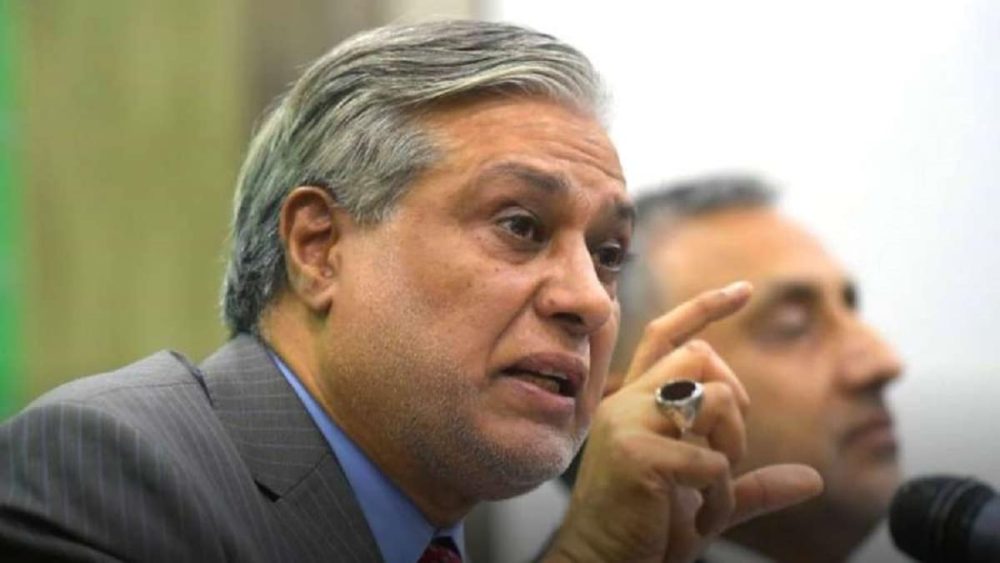
Deputy Prime Minister and Foreign Minister Ishaq Dar has ordered a formal inquiry into a scandal at the Foreign Ministry, following reports that officials allegedly collected around Dar foreign ministry inquiry Rs. 12 billion illegally from Pakistanis through the apostille and document verification system. The three-member committee has been tasked with getting to the bottom of how the alleged racket operated within a department meant to authenticate official documents for citizens travelling or working abroad.
The inquiry committee is headed by Petroleum Secretary Hamid Yaqoob Sheikh, with Law Secretary Raja Naeem Akbar and Special Secretary Finance Qamar Sarwar Abbasi as members. The panel has been given a two-week deadline to submit its findings, a relatively tight timeline that signals the government wants the matter resolved quickly rather than left to drag on for months.
What the Scandal Involves
The apostille and document verification system run by the Foreign Ministry is used by ordinary citizens, students, and job-seekers to get their educational and personal documents certified for use overseas. Reports suggest that some officials within the ministry exploited this process, illegally charging citizens far more than the official fee structure allows, with the total amount collected through the alleged scheme estimated at Rs. 12 billion.
Given the scale of the amount involved, the case has drawn attention as one of the more significant integrity concerns to surface from a federal ministry this year. The inquiry will need to establish exactly how the alleged overcharging was carried out, which officials or offices were involved, and how long the practice may have continued before being flagged.
Why the Two-Week Deadline Matters
By setting a strict two-week window for the committee to report back, Dar’s office is signalling that the government wants a quick, credible response rather than a prolonged internal review. Foreign Ministry services like apostille verification are used heavily by the overseas Pakistani community and by students applying to foreign universities, so any perception of systemic overcharging risks damaging public trust in a process that is supposed to be routine and fee-regulated.
The outcome of the inquiry will likely determine whether disciplinary or criminal proceedings follow against any officials found responsible, and whether the ministry needs to overhaul the oversight mechanisms around its document verification services to prevent a repeat. For now, applicants using the apostille system are advised to confirm official fee schedules directly with the ministry to avoid being overcharged while the investigation proceeds.
The scrutiny of the Foreign Ministry comes in a week when Pakistan’s global standing has otherwise been in the news, from the country’s 22-place climb in the 2026 Global Environmental Performance Index to Federal Minister Ahsan Iqbal’s remarks that Pakistan must now shift focus toward long-term development priorities.