

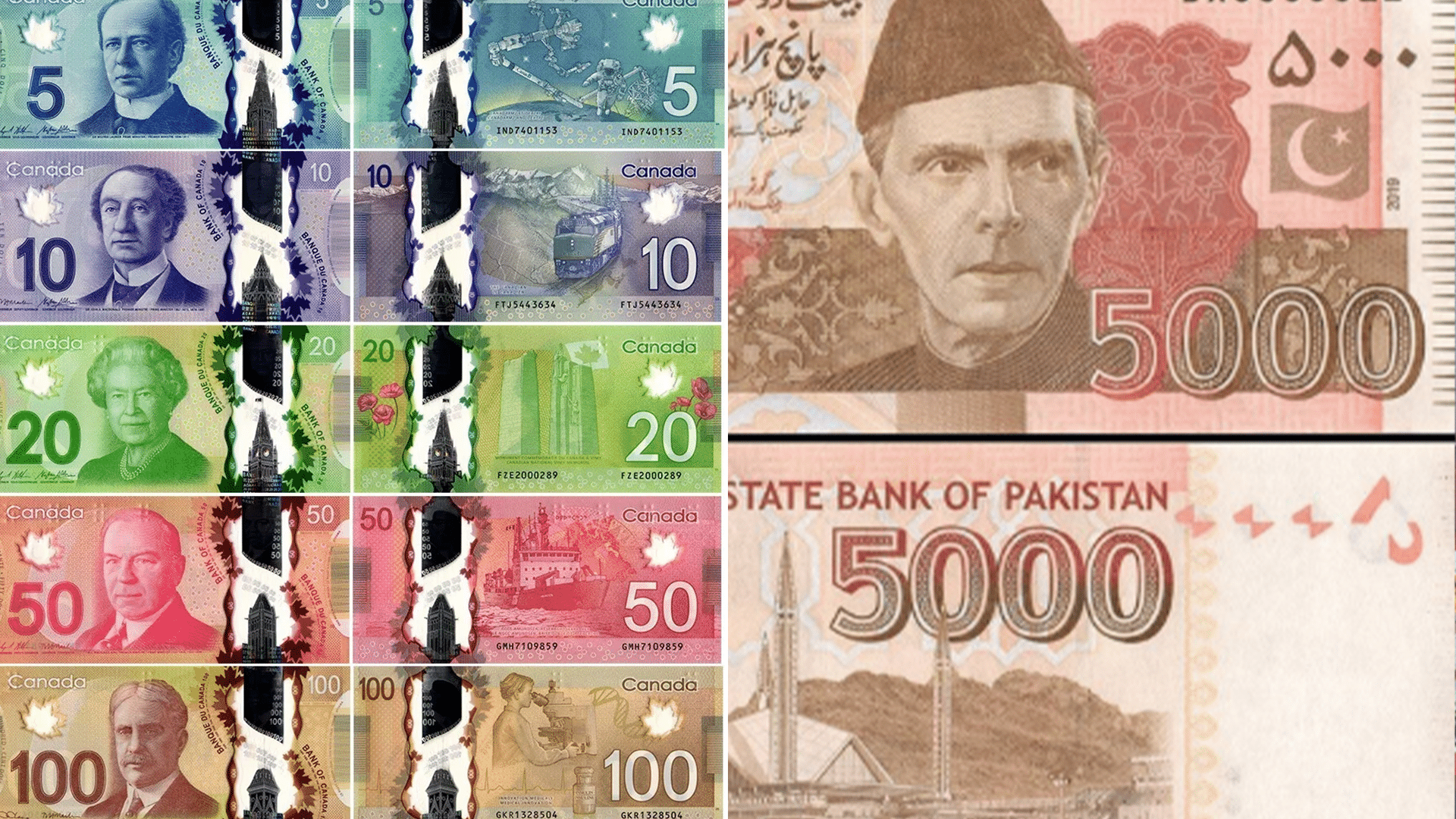
The Pakistani rupee extended its remarkable winning streak against the US dollar on Monday, closing in positive territory for the 244th consecutive day, while the Canadian dollar PKR rate continued its downward slide against the local currency, according to interbank data reported by ProPakistani.
The rupee closed at 277.25 against the US dollar, gaining one paisa on the day. This extended run of consecutive gains against the greenback is one of the longest sustained streaks in the local currency’s recent history, reflecting a combination of improved external account metrics, steady remittance inflows, and relatively stable market sentiment.
How the Canadian Dollar Is Performing
Against the Canadian dollar specifically, the rupee gained 14 paisas today, and a currency trader speaking to ProPakistani suggested the CAD could drop to around Rs. 195 this week if current trends hold. The trader pointed to Canada’s ongoing trade tensions with the United States as one factor creating room for the Pakistani rupee to gain ground against the Canadian currency.
This dynamic highlights how currency movements are often shaped as much by developments in other economies as by domestic factors. While Pakistan’s own economic indicators have supported the rupee’s stability against the dollar, the Canadian dollar’s weakness appears to be driven substantially by external pressures unrelated to Pakistan.
Mixed Performance Against Other Currencies
The rupee’s performance against other major currencies was more mixed on the day. It lost 56 paisas against the British Pound and 18 paisas against the Australian Dollar, while also losing seven paisas against the Euro. This mixed picture underscores that the rupee’s strength has been most pronounced specifically against the US dollar, rather than reflecting a uniform strengthening across all major currencies.
Market watchers note that the rupee has been on a consistent upward trajectory against the dollar since December 25, 2025, a run that has drawn attention from analysts trying to understand the sustainability of the trend. Factors typically cited include a narrower current account deficit, disciplined import management, and continued inflows from overseas Pakistani workers sending remittances home.
For businesses and individuals with exposure to Canadian dollar transactions, whether through remittances, education payments, or trade, the continued softening of the CAD against the rupee could mean more favorable conversion rates in the near term, provided the trend identified by market traders continues to hold through the week.
Currency analysts caution that day-to-day movements, even within a broader trend, can be volatile, and recommend that individuals planning significant currency conversions monitor rates closely rather than relying on any single day’s performance as a definitive signal.
Pakistan’s central bank and treasury officials have generally welcomed the rupee’s sustained stability, viewing it as a signal of improved investor confidence and reduced speculative pressure in the currency market compared to previous years of sharp volatility. However, some economists caution that an overly strong rupee can also weigh on export competitiveness, making Pakistani goods relatively more expensive in international markets even as it makes imports and foreign travel more affordable for domestic consumers.
Overseas Pakistanis in Canada, in particular, may want to time remittances or currency conversions strategically over the coming days as the CAD-PKR rate continues to shift.
In other corporate news, read about the recent CEO resignation at Fauji Foods Limited.