

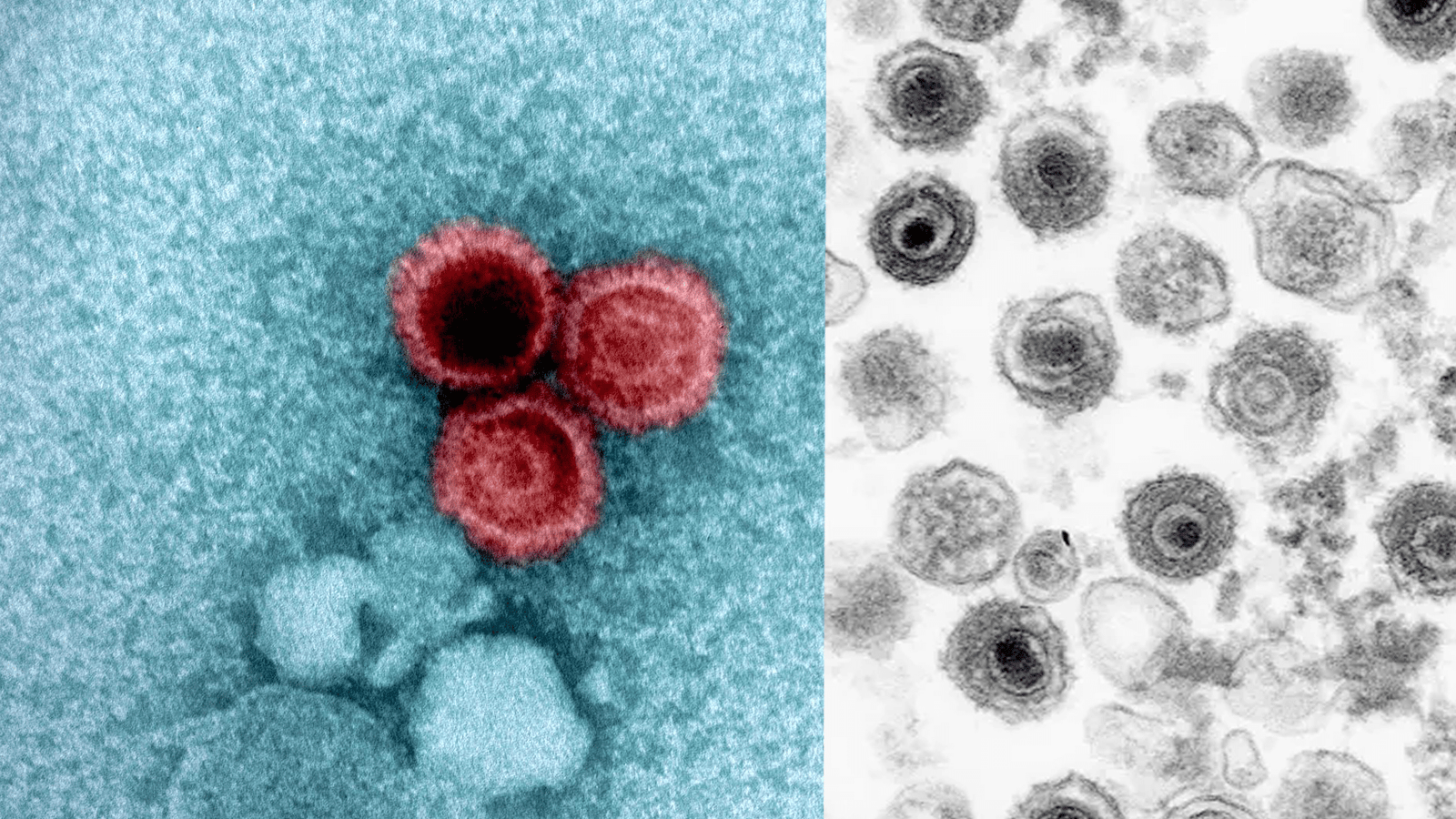
Scientists have developed a set of new antibodies that could potentially block the Epstein-Barr virus (EBV), one of the most widespread viral infections in the world, according to newly published research.
The Research Breakthrough
EBV is estimated to infect about 95 percent of adults globally, and while most cases cause few noticeable symptoms, the virus remains in the body for life and has been linked to several types of cancer and multiple sclerosis. Researchers from the Fred Hutchinson Cancer Center and the University of Washington developed 10 new antibodies targeting two surface proteins, gp350 and gp42, that help the virus enter human B cells. In laboratory experiments using mice engineered with human-like immune systems, one antibody demonstrated strong protective effects against EBV infection, a promising early signal for its potential effectiveness.
Who Could Benefit and What’s Next
The findings could carry particular significance for organ and bone marrow transplant patients, who are especially vulnerable to serious EBV-related complications because immune-suppressing medications make it harder for their bodies to naturally keep the virus in check. The research has been published in the journal Cell Reports Medicine, though the researchers say considerably more testing is required before the antibodies could be evaluated as an actual human treatment, a process that can take several years even under an accelerated timeline. Given how widespread EBV infection is, any advancement toward a viable antibody-based treatment carries broad public health relevance.