

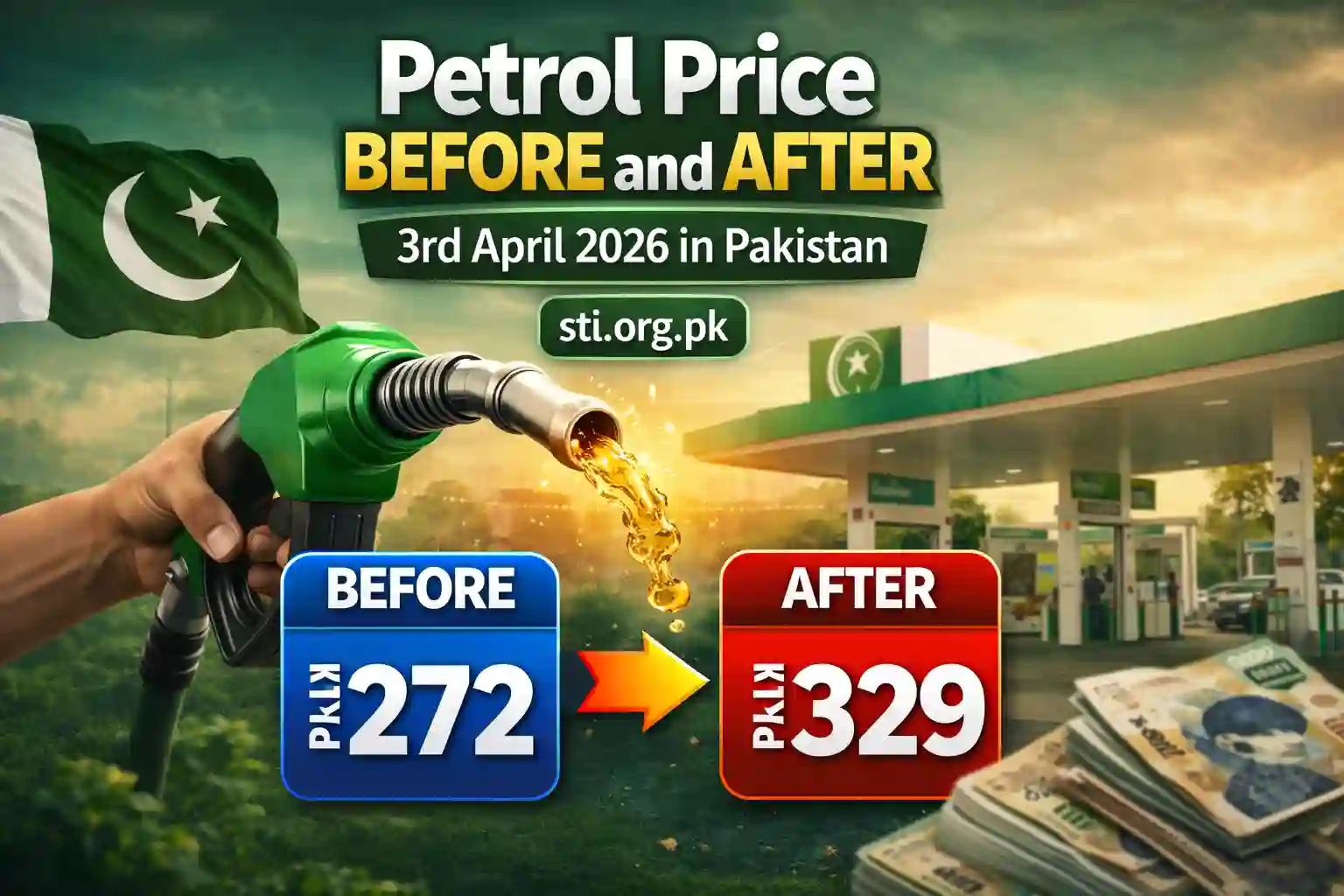
Petrol prices in Pakistan are always a major concern for the public because they directly affect transportation costs, inflation, and daily expenses. On 3rd April 2026, the government announced a new update in petrol prices, which created widespread discussion across the country.
In this article, we will explain in detail the petrol price before and after 3rd April 2026 in Pakistan, the reasons behind the change, and how it impacts the general public.
Petrol Price Before 3rd April 2026 in Pakistan
Before 3rd April 2026, petrol prices in Pakistan were already at a high level due to multiple economic factors. The previous petrol price was:
- Petrol Price Before 3 April 2026: Approximately Rs. 452 to Rs. 455 per litre
This price range had been stable for a short period, but fluctuations in international oil markets and currency exchange rates created pressure for another revision.
Petrol Price After 3rd April 2026 in Pakistan
On 3rd April 2026, the government officially revised the petrol price. According to the latest update:
- New Petrol Price After 3 April 2026: Rs. 458.51 per litre
This increase reflects a noticeable jump compared to the previous price. Even a small increase per litre has a significant impact on consumers due to daily fuel usage.

Difference Between Old and New Petrol Prices
Let’s understand the exact difference:
- Previous Price: Around Rs. 452 to Rs. 455
- New Price: Rs. 458.51
- Increase: Approximately Rs. 3 to Rs. 6 per litre
This increase may seem small, but for people who use fuel daily, it results in higher monthly expenses.

Reasons Behind Petrol Price Increase in Pakistan
There are several key reasons why petrol prices increased on 3rd April 2026:
1. International Oil Prices
Pakistan imports a large portion of its petroleum products. When global crude oil prices increase, local petrol prices also rise.
2. Currency Depreciation
The Pakistani Rupee has faced pressure against the US Dollar. A weaker currency makes imports more expensive, including fuel.
3. Government Taxes and Levies
Petrol prices in Pakistan include:
- Petroleum Development Levy (PDL)
- Sales Tax
- Distribution margins
Any adjustment in these components directly affects the final price.
4. IMF Conditions
Economic agreements with international institutions often require reducing subsidies and increasing revenue, which leads to higher fuel prices.

Impact of Petrol Price Increase on Public
The increase in petrol prices affects almost every sector of life in Pakistan.
1. Transportation Costs
Public transport fares increase when fuel prices go up. This affects daily commuters the most.
2. Inflation Increase
Higher fuel prices lead to higher costs of goods because transportation becomes expensive.
3. Household Expenses
People who use motorcycles and cars daily experience a direct increase in monthly spending.
4. Business Costs
Businesses that rely on logistics and delivery services also face increased operational costs.
Petrol Price Trend in Pakistan 2026
The year 2026 has seen continuous fluctuations in petrol prices due to unstable global economic conditions. Instead of stability, prices are changing frequently, making it difficult for consumers to plan their budgets.
Experts suggest that petrol prices may continue to fluctuate depending on:
- Global oil supply and demand
- Exchange rate stability
- Government policy decisions
Government Strategy for Fuel Pricing
The government reviews petrol prices every 15 days. The pricing mechanism includes:
- Import cost calculation
- Refinery adjustments
- Currency exchange rate
- Taxation policy
This system ensures that petrol prices reflect real-time economic conditions, although it often leads to frequent increases.
How to Manage Fuel Expenses After Price Increase
With rising petrol prices, people are looking for ways to reduce fuel costs. Here are some practical tips:
1. Use Public Transport
Using buses or ride-sharing services can reduce daily fuel expenses.
2. Maintain Your Vehicle
Proper engine tuning and tyre pressure can improve fuel efficiency.
3. Avoid Unnecessary Travel
Plan trips carefully to reduce fuel consumption.
4. Carpooling
Sharing rides with colleagues or friends can significantly lower costs.
Future Expectations for Petrol Prices in Pakistan
Looking ahead, petrol prices may remain unstable. If global oil prices continue to rise, Pakistan will likely see further increases.
However, if:
- International oil prices decrease
- Currency stabilizes
- Government reduces taxes
Then petrol prices may come down in future updates.
Why Petrol Price Updates Are Important
Petrol price updates are important because they:
- Affect inflation directly
- Influence transportation and logistics
- Impact economic growth
- Determine cost of living
That is why people actively search for petrol price updates in Pakistan after every government announcement.
Conclusion
The petrol price update on 3rd April 2026 brought another increase, taking the price to Rs. 458.51 per litre. Compared to the previous rate, this change has added financial pressure on the public.
Understanding the reasons behind petrol price changes helps people stay informed and manage their expenses better. As fuel prices continue to fluctuate, staying updated is essential for both individuals and businesses.
FAQs About Petrol Price in Pakistan
1. What was the petrol price before 3rd April 2026 in Pakistan?
The petrol price before 3rd April 2026 was approximately between Rs. 452 and Rs. 455 per litre.
2. What is the petrol price after 3rd April 2026?
The updated petrol price is Rs. 458.51 per litre.
3. Why did petrol prices increase in Pakistan?
Prices increased due to higher international oil rates, currency depreciation, and government taxes.
4. How often are petrol prices updated in Pakistan?
Petrol prices are usually revised every 15 days by the government.
5. How does petrol price increase affect daily life?
It increases transport costs, inflation, and overall living expenses.
6. Will petrol prices decrease in future?
It depends on global oil prices, exchange rates, and government policies.