

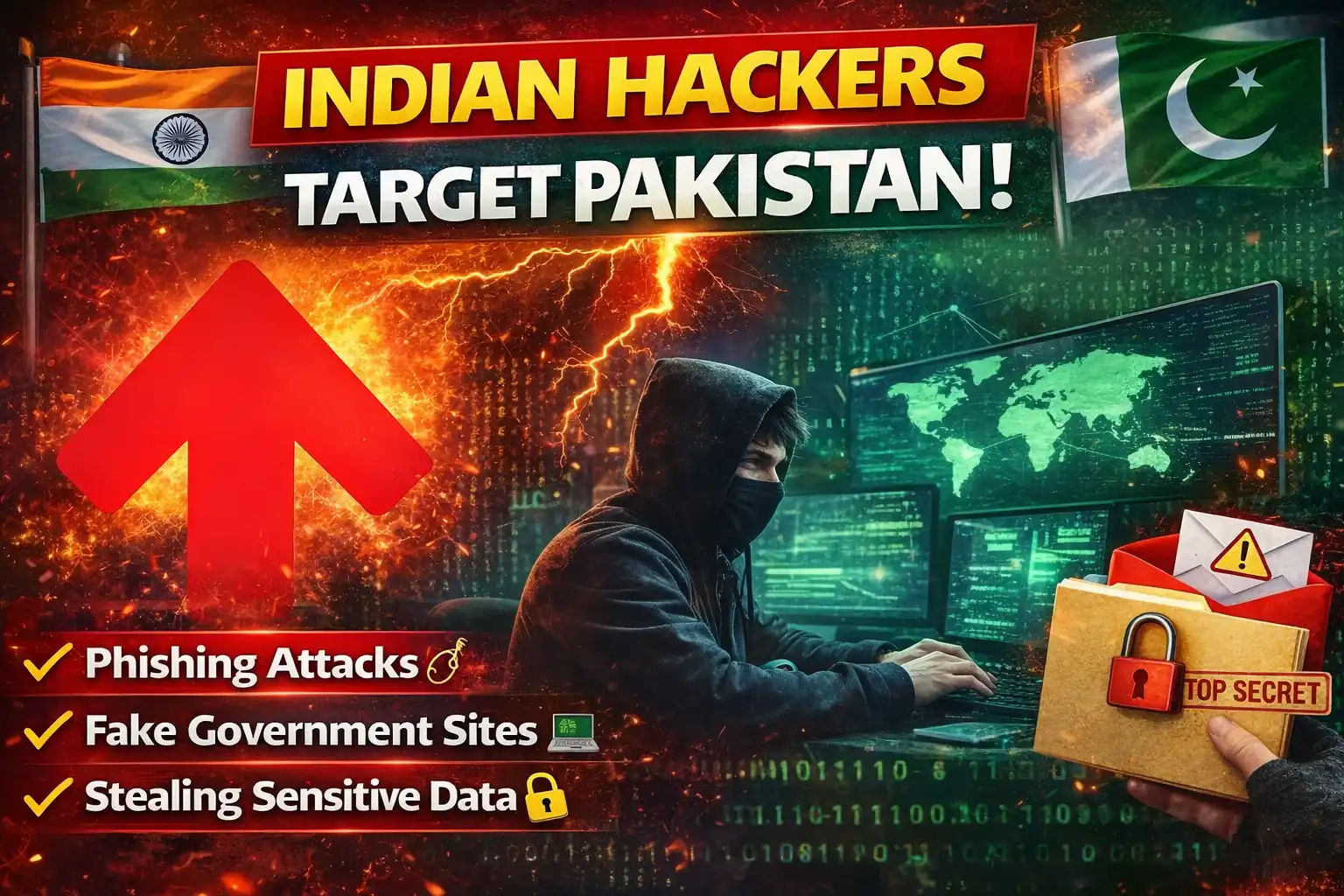
A serious cybersecurity warning has been issued by the National Cyber Emergency Response Team regarding a large-scale phishing campaign targeting sensitive government institutions in Pakistan.
According to reports, an Advanced Persistent Threat (APT) group known as SideWinder (also called Rattlesnake and Hardcore Nationalist) is behind this attack.
This development raises major concerns about national security, data protection, and cyber warfare.
What is the SideWinder Hacker Group?
The SideWinder APT group is a well-known cyber-espionage group.
Key Features of SideWinder
- Conducts targeted cyber attacks
- Uses phishing and malware
- Focuses on government institutions
- Known for long-term surveillance
👉 These groups aim to steal sensitive information and access critical systems.

Who Is Being Targeted?
The phishing campaign is mainly targeting:
Key Government Institutions
- Ministry of Defence
- Ministry of Finance
- National Electric Power Regulatory Authority (NEPRA)
- National CERT
These organizations handle critical national data, making them high-value targets.

How the Phishing Attack Works
Step-by-Step Attack Method
- Fake emails are sent to employees
- Emails appear from trusted institutions
- Users click malicious links
- Fake websites steal login credentials
- Hackers gain access to systems
Key Techniques Used
- Fake domains and URLs
- Cloned government websites
- Malicious attachments
- Urgent security messages
👉 This makes the attack very hard to detect.
Risks of These Cyber Attacks
1. Data Theft
- Confidential documents stolen
- Sensitive government data leaked
2. Credential Compromise
- Usernames and passwords hacked
- Unauthorized access to systems
3. Malware Installation
- Systems infected with spyware
- Long-term monitoring possible
4. National Security Threat
- Access to defense systems
- Financial system vulnerabilities
- Risk to critical infrastructure
Advisory Issued by NCERT
The National Cyber Emergency Response Team has issued strict guidelines.
Key Instructions
- Block malicious domains immediately
- Strengthen email security systems
- Monitor network activity
- Stay alert for suspicious emails
Recommended Security Measures
1. Multi-Factor Authentication (MFA)
- Adds extra security layer
- Prevents unauthorized access
2. Endpoint Detection & Response (EDR)
- Detects suspicious activity
- Stops malware in real-time
3. Password Reset
- Reset compromised accounts
- Use strong passwords
4. Employee Awareness
- Train staff about phishing
- Avoid clicking unknown links
Why This Attack is Dangerous
This attack is considered highly dangerous because:
- It targets top-level government institutions
- Uses advanced phishing techniques
- Can lead to long-term system infiltration
Cyber Warfare: A Growing Global Threat
Cyber attacks are becoming part of modern warfare.
Global Trend
- Countries targeting each other digitally
- Increase in cyber espionage
- Focus on critical infrastructure
Impact on Pakistan
1. Security Concerns
- Threat to defense systems
- Risk of sensitive data leaks
2. Economic Impact
- Financial systems could be targeted
- Risk to banking and energy sectors
3. Public Trust
- Data breaches reduce confidence
- Increase fear among citizens
What Should Government Employees Do?
Immediate Actions
- Do not click unknown links
- Verify email sources
- Report suspicious messages
- Update passwords regularly
Future of Cybersecurity in Pakistan
Pakistan needs to:
- Invest in cybersecurity systems
- Train IT professionals
- Improve digital infrastructure
- Develop local security solutions
Conclusion
The recent cyber threat targeting Pakistan’s government institutions highlights the importance of strong cybersecurity measures.
The warning by the National Cyber Emergency Response Team shows that cyber attacks are becoming more advanced and dangerous.
To protect national security, Pakistan must adopt modern cybersecurity strategies and awareness programs.