

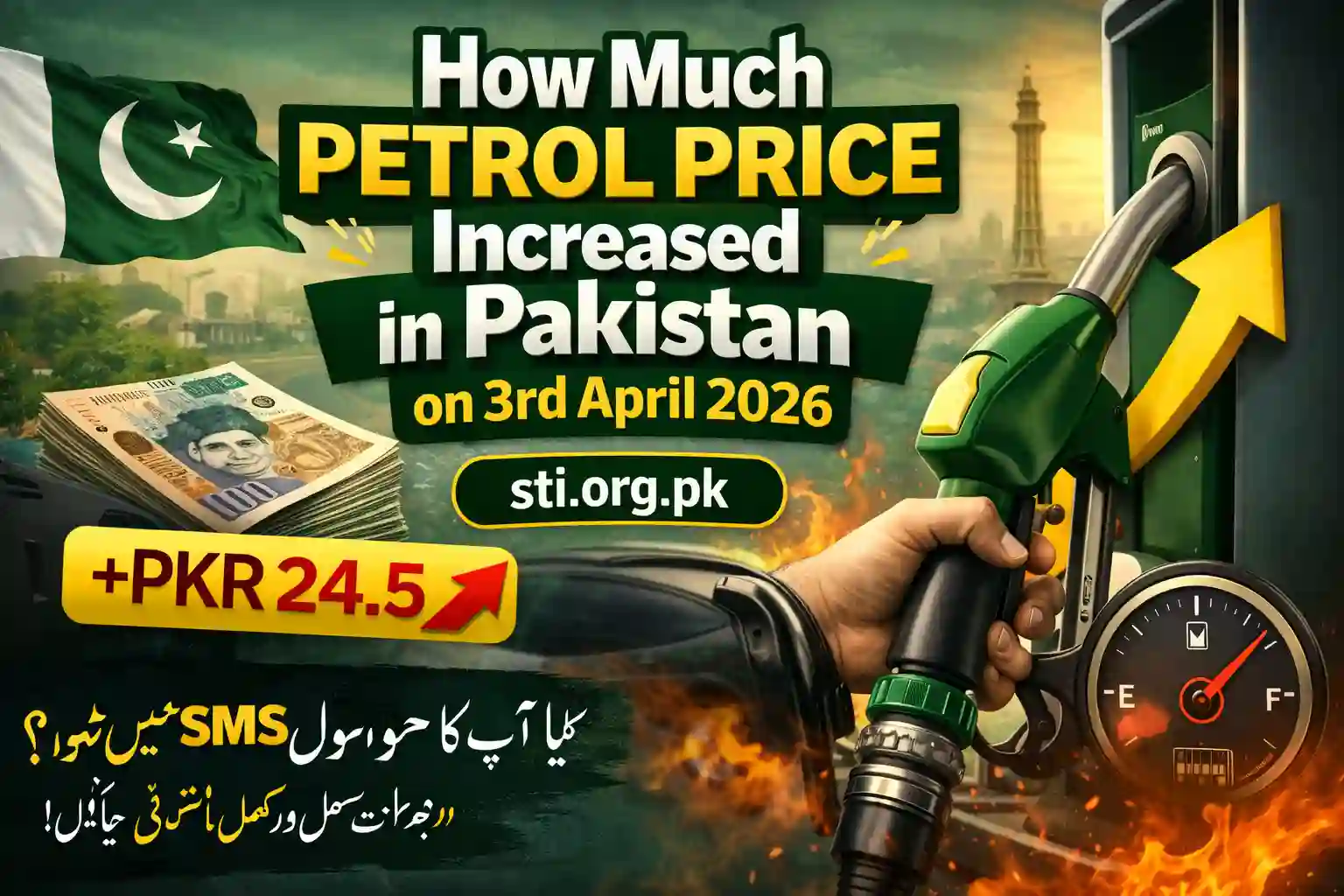
Pakistan witnessed a massive petrol price increase on 3rd April 2026, shocking millions of citizens across the country. The government announced a sharp hike in fuel prices due to rising global oil rates and ongoing geopolitical tensions.
As per the latest update, the petrol price in Pakistan reached Rs. 458.51 per litre, making it one of the highest rates in the country’s history.
This article provides a complete breakdown of the petrol price increase, reasons behind the hike, previous rates, and its impact on the public.
Petrol Price in Pakistan on 3rd April 2026
On 3rd April 2026, the Government of Pakistan officially increased petrol prices significantly.
- New Petrol Price: Rs. 458.51 per litre
- Previous Petrol Price (March 2026): Around Rs. 321.17 per litre
- Total Increase: Approximately Rs. 137+ per litre
According to reports, petrol prices surged by over 40% due to international oil market pressure.
This increase is considered one of the largest fuel hikes in Pakistan’s history.
Why Petrol Price Increased in Pakistan April 2026
The petrol price hike in Pakistan is directly linked to multiple global and local factors.
1. Global Oil Price Surge
International crude oil prices increased sharply due to the ongoing Middle East conflict, especially tensions involving the US and Iran.
- Brent crude prices jumped significantly
- Supply chains were disrupted
- Oil import costs increased for Pakistan
2. Pakistan’s Heavy Dependence on Imports
Pakistan imports a large portion of its oil from countries like:
- Saudi Arabia
- United Arab Emirates
Due to rising global prices, the import bill increased, forcing the government to pass the burden onto consumers.
3. Reduction in Government Subsidies
The government had been providing subsidies earlier to control fuel prices.
However:
- Subsidies became too expensive
- Economic pressure increased
- Budget limitations forced withdrawal
Officials confirmed that continuing subsidies was no longer financially possible.
4. Currency Devaluation Impact
The Pakistani Rupee’s depreciation against the US Dollar also contributed to:
- Higher import costs
- Increased fuel pricing
- Inflation pressure

Petrol Price Comparison: Before and After April 2026
Here is a quick comparison of petrol prices:
| Date | Petrol Price |
|---|---|
| Early March 2026 | Rs. 321.17 |
| Mid March 2026 | Slight adjustments |
| 3rd April 2026 | Rs. 458.51 |
Earlier in March, petrol prices were already increased by Rs. 55 per litre, reaching Rs. 321.17.
The April increase pushed prices to an all-time high level.

Diesel Price Increase Alongside Petrol
Not only petrol, but diesel prices also saw a major jump.
- Diesel Price: Around Rs. 520+ per litre
- Increase percentage higher than petrol
Diesel is widely used in:
- Transport sector
- Agriculture
- Goods delivery
This means the price hike will directly impact essential goods and services.

Impact of Petrol Price Increase on Pakistani Public
The petrol price hike has created a strong ripple effect across the economy.
1. Increase in Transportation Costs
- Public transport fares increased
- Ride-hailing services became expensive
- Daily commuters affected
2. Inflation Rise
Fuel prices directly affect:
- Food prices
- Utility bills
- Daily essentials
Experts predict a sharp rise in inflation following this hike.
3. Impact on Businesses
Small and medium businesses are facing:
- Higher operational costs
- Reduced profit margins
- Increased product prices
4. Agriculture Sector Pressure
Farmers rely heavily on diesel for:
- Tractors
- Water pumps
- Transportation
Higher fuel costs mean increased production cost of crops.
Government Response to Petrol Price Increase
The government has announced some relief measures to reduce the burden.
Targeted Subsidies
Authorities introduced limited subsidies for:
- Small farmers
- Motorcyclists
- Public transport sector
However, these subsidies are not enough to fully offset the price hike.
Future Petrol Price Predictions in Pakistan
Experts believe that fuel prices may continue to fluctuate due to:
- Ongoing geopolitical tensions
- Global oil market instability
- Dollar exchange rate changes
If international oil prices remain high, petrol rates in Pakistan may:
- Increase further
- Stay unstable in coming months
How to Manage High Petrol Prices
Here are some practical tips for citizens:
1. Use Public Transport
Reduce personal vehicle usage to save fuel costs.
2. Carpooling
Share rides with others to cut expenses.
3. Fuel Efficient Driving
- Avoid sudden acceleration
- Maintain proper tyre pressure
4. Switch to Bikes or Electric Vehicles
Motorcycles and EVs are more economical options.
SEO Keywords Covered in This Article
- Petrol price in Pakistan April 2026
- Petrol price increase 3 April 2026
- Latest petrol rate Pakistan today
- Fuel price hike Pakistan news
- Petrol rate 458.51 Pakistan
- Why petrol price increased Pakistan
FAQs – Petrol Price Increase Pakistan 2026
1. What is the petrol price in Pakistan on 3rd April 2026?
The petrol price reached approximately Rs. 458.51 per litre.
2. How much did petrol price increase in April 2026?
Petrol prices increased by around Rs. 130 to Rs. 140 per litre compared to March 2026 levels.
3. Why petrol price increased in Pakistan 2026?
The main reasons include:
Global oil price surge
Middle East conflict
Reduction in subsidies
Currency depreciation
4. What was petrol price in March 2026?
Petrol price in early March 2026 was around Rs. 321.17 per litre.
5. Will petrol prices decrease in Pakistan?
Prices depend on global oil markets. If international prices drop, petrol rates may decrease, otherwise they may remain high.
Petrol Price Increased in Pakistan Conclusion
The petrol price increase on 3rd April 2026 in Pakistan marks a significant economic event. With petrol reaching Rs. 458.51 per litre, the impact is being felt across every sector of society.
From transportation to food prices, the effects are widespread. While the government has introduced limited relief measures, the overall burden on citizens remains high.
Moving forward, petrol prices will largely depend on global oil trends and economic conditions, making it essential for individuals and businesses to adapt to rising fuel costs.