

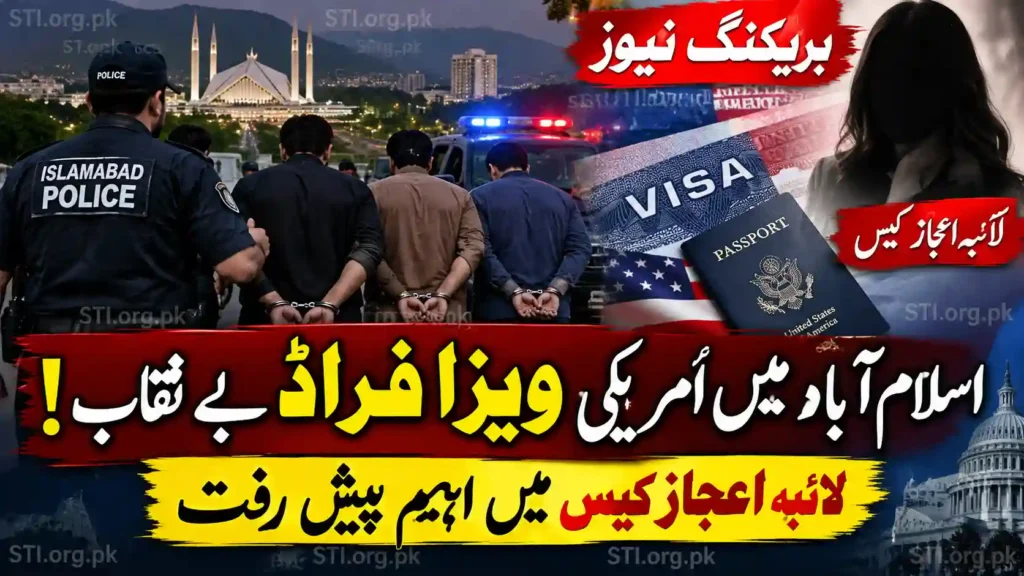
The reported US student visa scam in Islamabad has drawn attention to the risks faced by Pakistani students who want to study in the United States. Many students spend years preparing for international education, arranging their documents, and saving money to cover tuition fees and other expenses. However, dishonest individuals may try to exploit these dreams by offering false promises of visa approval, university admission, or overseas opportunities.
According to the headline, Islamabad Police have arrested a gang in connection with an alleged US student visa scam linked to Laiba Ejaz. The case highlights the importance of checking immigration advisers, verifying educational documents, and following official visa procedures.
The full details of the alleged fraud, including the number of suspects, the amount of money involved, and the exact role of each individual, should be confirmed through official police statements or reliable news reports. An arrest or reported connection to an investigation does not by itself establish guilt.
Islamabad Police Action in the Alleged Visa Fraud Case
The reported police action has brought attention to the problem of student visa fraud in Pakistan. Such cases can cause serious financial and emotional difficulties for students and their families. People seeking admission to foreign universities may be vulnerable when someone claims to have special contacts or promises a guaranteed visa.
In cases involving suspected immigration fraud, investigators may examine financial transactions, communications, application documents, and other evidence to determine whether applicants were misled.
The details of the Islamabad Police investigation should be understood through verified information released by the relevant authorities. Until those details are confirmed, it would be inappropriate to assume that every person mentioned in connection with the case committed an offence.
What Is a US Student Visa Scam?
A US student visa scam occurs when someone uses deception to obtain money or personal information from people seeking permission to study in the United States. The scam may involve false admission letters, fake consultancy services, misleading immigration advice, or promises that a visa will definitely be approved.
Some fraudsters may claim that they have direct links with universities or embassy officials. Others may advertise unusually easy admission procedures and demand large advance payments.
Students should understand that admission to a university and approval of a US student visa are separate processes. A university may issue an admission document, but the final visa decision belongs to the authorised US government officials.
No private agent can legitimately guarantee a visa decision.

How Students Can Become Victims of Visa Fraud
Students may become vulnerable to fraud for several reasons. Some have limited knowledge of the international admission process, while others may depend on an adviser to prepare their applications.
Common warning signs include:
- Guaranteed US student visa approval in exchange for payment.
- Requests to submit false educational certificates or financial records.
- Fake university admission letters.
- Pressure to transfer money immediately.
- Refusal to provide written agreements or official receipts.
- Claims of special access to embassy officials.
- Requests to make payments into unrelated personal accounts.
- Unclear information about university fees, visa charges, or refund policies.
These warning signs do not automatically prove that a service provider is dishonest. However, they indicate that students should stop and verify the information before making payments.
Why the Case Matters for Pakistani Students
The reported Islamabad visa scam case is important because international education requires significant financial planning. Families may sell assets, borrow money, or use their savings to support a student’s future.
If a student loses money to a fraudulent adviser, the consequences can extend beyond the initial payment. The student may miss university deadlines, lose an admission opportunity, or face difficulties correcting inaccurate information submitted during an application.
False documents can also damage a student’s future immigration prospects. Applicants should therefore ensure that all information submitted to a university or immigration authority is accurate and genuine.
The safest approach is to understand the process independently, even when professional assistance is used.
How to Apply for a US Student Visa Safely
Pakistani students who plan to study in the United States should follow the official process and verify each stage before paying large amounts of money.
1. Select a Recognised Educational Institution
Students should research universities and colleges carefully. Before accepting an offer, they should verify that the institution is authorised to enrol international students under the applicable US student visa programme.
2. Verify the Admission Documents
Applicants should contact the university through its official website or verified admissions office if they have doubts about an offer letter or other documents.
For students applying through the F-1 visa route, the institution generally provides Form I-20 after the required admission and eligibility procedures have been completed.
3. Review the Official Visa Requirements
Applicants should consult the official US Department of State website for the latest requirements, application instructions, and appointment information. Students should not rely entirely on social media posts or advice from unknown agents.
4. Complete the Application Honestly
Applicants must provide accurate information about their education, finances, travel purpose, and other required details. They should never agree to submit fake bank statements, altered certificates, or misleading information.
5. Keep Payment Records
Students should keep receipts, contracts, emails, application forms, and proof of payments. These records may be useful if a dispute arises or a suspected scam needs to be reported.
6. Avoid Guaranteed Visa Offers
A consultant may help with administrative tasks, but no private individual can guarantee that a visa will be issued. Applicants should be cautious about anyone making such a promise in exchange for money.
What to Do If You Suspect a Student Visa Scam
Anyone who believes they have been targeted by a fake student visa consultancy should preserve all available evidence. This may include bank transfer records, WhatsApp messages, emails, advertisements, receipts, and copies of documents provided by the adviser.
Victims can contact the relevant police authorities to ask how to submit a complaint. Where online fraud or electronic communications are involved, they should also check the appropriate official cybercrime reporting channel in Pakistan.
Students should avoid deleting conversations or making additional payments simply because the other party threatens to cancel an application or demands urgent action.
It is also important not to publish unverified accusations against individuals on social media. Complaints should be supported by evidence and handled through the appropriate legal process.
Role of Authorities in Preventing Visa Fraud
Preventing immigration fraud in Pakistan requires awareness, verification, and appropriate law enforcement. Police investigations can help establish what happened in a suspected fraud case and whether the available evidence supports criminal charges.
Educational institutions, immigration authorities, students, and families also have important roles to play. Universities can help applicants verify admission offers, while students can reduce risks by checking official requirements before transferring money.
Public awareness campaigns can further explain the difference between legitimate education consultancy services and fraudulent offers.
Where allegations involve named individuals, authorities and news organisations should distinguish clearly between allegations, arrests, formal charges, and court findings.
Student Visa Fraud in Pakistan Conclusion
The reported Islamabad Police arrest in a US student visa scam highlights the need for caution when seeking international education opportunities. Students and families should verify university admission offers, follow official visa instructions, keep payment records, and avoid anyone promising guaranteed approval.
The case reportedly linked to Laiba Ejaz should be assessed on the basis of verified police information and any subsequent legal proceedings. An allegation or arrest should not be treated as proof of guilt.
For Pakistani students planning to study abroad, the best protection is careful research, honest documentation, and direct use of official immigration resources. Taking these precautions can help students protect their money, personal information, and educational future.